ADHD is a neurodevelopmental condition causing persistent inattention, impulsivity and sometimes hyperactivity that begins in childhood and often continues into adulthood. Diagnosis is clinical, based on a structured interview and rating scales. First-line treatment is stimulant medication (methylphenidate or amphetamine class), with non-stimulants such as atomoxetine, viloxazine and guanfacine as alternatives, plus skills-based therapy. Stedfast Psychiatry treats ADHD at 10301 Hagen Ranch Rd in Boynton Beach and by video across Florida; new patients call (561) 437-2179.
ADHD in Adults and Children at our Boynton Beach office
For ADHD treatment, residents of Canyon Isles, Sun Valley, Valencia Reserve and Valencia Lakes and Greenacres, Lantana, Hypoluxo and Ocean Ridge are usually within a short drive. The office sits on the Bethesda Health City medical campus at the corner of Hagen Ranch Road and West Boynton Beach Boulevard, in the western part of Boynton Beach.
Call (561) 437-2179 to book, or request an appointment online and we will call you back. The office is open weekdays 8:00 AM to 5:00 PM. The office sits on the Bethesda Health City medical campus at the corner of Hagen Ranch Road and West Boynton Beach Boulevard, in the western part of Boynton Beach. From I-95, take exit 59 for Boynton Beach Boulevard and drive west for about five miles, past Jog Road and Military Trail, then turn left onto Hagen Ranch Road.
Spravato (esketamine) sessions are delivered on site in Boynton Beach. Deep TMS is delivered at our Palm Beach Gardens office, about 35 minutes away, and the evaluation can be done here.

Who you will see in Boynton Beach
The Boynton Beach team includes psychiatrists Dr. Peter Gobar and Ana Paula Aun, psychiatric nurse practitioners Sara Hetzler, Andres Luque, Michael Carraturo, Leetal Kirshenberg, Dara Castillo and Kayla Marzullo and physician assistant Madison Algayer. Visits in Spanish and Portuguese are available with Andres Luque and Ana Paula Aun. Children and teens are seen by Sara Hetzler, Madison Algayer, Leetal Kirshenberg and Dara Castillo.

Dr. Peter Gobar, MD
Psychiatrist · Adults

Sara Hetzler, PMHNP-BC
Psychiatric Nurse Practitioner · Children, adolescents and adults

Andres Luque, PMHNP-BC
Psychiatric Nurse Practitioner · Adults 18 to 80 · English, Spanish

Madison Algayer, PA-C
Physician Assistant · Adults and teens 16+
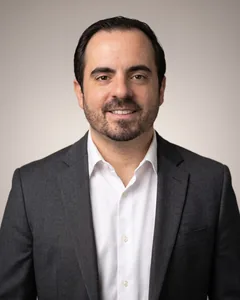
Michael Carraturo, PMHNP-BC
Psychiatric Nurse Practitioner · Ages 10 and up
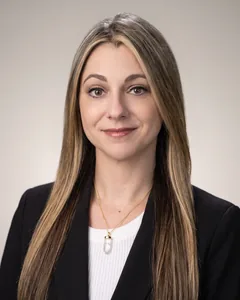
Leetal Kirshenberg, PMHNP-BC
Psychiatric Nurse Practitioner · Ages 8 and up
Signs of ADHD
- Difficulty sustaining attention on tasks, reading or conversations
- Frequent careless mistakes and missed details
- Trouble organizing tasks, time and belongings
- Starting many projects and finishing few
- Losing keys, phone, paperwork or other essentials
- Avoiding tasks that require sustained mental effort
- Restlessness, fidgeting or feeling internally driven
- Interrupting, blurting out or difficulty waiting
How we diagnose it
There is no single test for ADHD; the diagnosis is clinical. At Stedfast Psychiatry an ADHD evaluation includes a structured interview covering symptoms in childhood and today, functioning at work or school and at home, and a developmental, medical and family history. We use validated rating scales: the Adult ADHD Self-Report Scale (ASRS) and Conners or Vanderbilt scales for children and teens, with input from a parent, teacher or partner whenever possible. We screen for conditions that cause similar symptoms or coexist with ADHD, including anxiety, depression, bipolar disorder, sleep disorders, learning disabilities, substance use and thyroid disease. We ask about cardiovascular history, blood pressure and heart rate before prescribing stimulants, and request an EKG when there is a personal or family history of cardiac problems. For complex cases we can refer for formal neuropsychological testing.
An estimated 7 million US children aged 3 to 17 (11.4 percent) have ever been diagnosed with ADHD.
Source: CDC, National Survey of Children's Health 2022
About 4.4 percent of US adults have ADHD, and fewer than one in five of them have been diagnosed and treated.
Source: NIMH, National Comorbidity Survey Replication
Stimulant medications produce a meaningful response in roughly 70 to 80 percent of people with ADHD.
Source: American Academy of Pediatrics and American Psychiatric Association clinical guidance
Roughly 60 to 70 percent of children with ADHD continue to have impairing symptoms in adulthood.
Source: Longitudinal studies summarized by the American Psychiatric Association
Treatment for ADHD in Boynton Beach
Medication management
Stimulants are first-line for ADHD at every age and help 70 to 80 percent of people. The two families are methylphenidate (Ritalin, Concerta, Focalin) and amphetamine (Adderall, Vyvanse, Mydayis), each available in short and long-acting forms. We usually start with a long-acting formulation to cover the whole day and adjust the dose every one to two weeks until symptoms are controlled with acceptable side effects, typically within four to eight weeks. Non-stimulants are used when stimulants are not tolerated, when there is a history of substance misuse, when anxiety or tics are prominent, or by preference: atomoxetine (Strattera) and viloxazine (Qelbree) are norepinephrine reuptake inhibitors that take four to six weeks for full effect; guanfacine XR (Intuniv) and clonidine XR (Kapvay) are alpha-2 agonists that help impulsivity and hyperactivity and can be combined with a stimulant. Monitoring includes blood pressure, heart rate, weight, sleep and appetite at each visit, and growth tracking in children. Stimulants are controlled substances with specific prescribing rules, including for telehealth.
Psychotherapy and skills training
Medication improves attention, but it does not teach organization. CBT adapted for ADHD focuses on planning systems, time management, task initiation and managing the emotional fallout of years of missed deadlines. For children, parent behavior training and classroom accommodations (a 504 plan or IEP) are core treatments, and for young children under six behavior therapy comes before medication. ADHD coaching and executive-function skills training are useful adjuncts for adults and college students.
What to expect
The first visit is a 60-minute evaluation, in person or by video, that includes rating scales completed ahead of time. If ADHD is confirmed and medication is appropriate, a prescription is sent that day or after any needed cardiac screening. Follow-ups are every two to four weeks during dose titration, then every three months once stable, as required for controlled-substance prescribing. Telehealth follow-ups are available in Florida and South Carolina, within the current federal and state rules on prescribing stimulants by video.
The complete guide, including causes, subtypes and research, is on our ADHD in Adults and Children page.
Emergency and crisis resources near Boynton Beach
In an emergency, call 911 or go to Bethesda Hospital West Emergency Room (9655 W Boynton Beach Blvd, Boynton Beach). The 988 Suicide and Crisis Lifeline is available by call or text 24 hours a day. Bethesda Hospital East Emergency Room and 988 Suicide and Crisis Lifeline are also listed on the Boynton Beach office page.
Frequently asked questions
Who provides ADHD treatment at the Boynton Beach office?
The Boynton Beach team includes psychiatrists Dr. Peter Gobar and Ana Paula Aun, psychiatric nurse practitioners Sara Hetzler, Andres Luque, Michael Carraturo, Leetal Kirshenberg, Dara Castillo and Kayla Marzullo and physician assistant Madison Algayer. Visits in Spanish and Portuguese are available with Andres Luque and Ana Paula Aun. Every provider works under psychiatrist oversight and the same evaluation standard: about an hour for a first visit, validated screening scales, and a written plan.
Can I be seen by video instead of coming to Boynton Beach?
Yes. Stedfast Psychiatry providers are licensed in Florida and offer video visits for evaluations and follow-ups. Some situations, including certain controlled-substance prescriptions and first visits for young children, require an in-person appointment at 10301 Hagen Ranch Rd.
Does the Boynton Beach office take my insurance?
We accept most major commercial plans and Medicare. Call (561) 437-2179 with your member ID and we will verify benefits before the visit. Self-pay new-patient evaluations are $185.
How soon can a new patient be seen in Boynton Beach?
Most new patients are scheduled within one to two weeks. If you need to be seen sooner, ask about a video visit; those often open up within days. If you are in crisis, call or text 988 or go to the nearest emergency room rather than waiting.
Can I get Deep TMS or Spravato as a Boynton Beach patient?
Yes. Stedfast Psychiatry is licensed for both. Your Boynton Beach provider does the evaluation and the prior authorization; treatment sessions are scheduled at our Palm Beach Gardens TMS center and the Boynton Beach Spravato rooms (Spravato is on site here).
How do I get tested for ADHD as an adult?
Schedule an ADHD evaluation with a psychiatric provider. You will complete the ASRS screening scale, then have a structured interview that covers your childhood, current symptoms and how they affect your life. Old report cards or input from a parent or partner help but are not required. Most adults receive a diagnosis and treatment plan at the first visit; formal neuropsychological testing is only needed when the picture is unclear or when learning disabilities are suspected.
What are the non-stimulant options for ADHD?
Atomoxetine (Strattera) and viloxazine (Qelbree) are once-daily norepinephrine reuptake inhibitors that are not controlled substances and take four to six weeks to reach full effect. Guanfacine XR and clonidine XR help impulsivity, hyperactivity and sleep, and are often combined with a stimulant in children. Bupropion is used off-label in adults who also have depression. Non-stimulants are somewhat less effective on average than stimulants but are the right choice for many people.
Nearby Stedfast offices
If you are in crisis, call or text 988 or go to the nearest emergency room. Educational content; individual results vary. Reviewed by Dr. David Husted, board-certified psychiatrist.