Social anxiety disorder is a persistent fear of being judged or embarrassed in social situations, leading to avoidance that limits work, school and relationships. It is treated with SSRIs or venlafaxine, cognitive behavioral therapy with graded exposure, or both, and beta blockers such as propranolol for specific performance situations. Most people improve substantially within 12 to 16 weeks. Stedfast Psychiatry treats social anxiety disorder at 3107 Stirling Road in Fort Lauderdale and by video across Florida; new patients call (561) 437-2413.
Social Anxiety Disorder at our Fort Lauderdale office
The Fort Lauderdale office at 3107 Stirling Road, Suite 107 serves Liberia, Hollywood Hills, Lauderdale Isles, Riverland and Melrose Park and the surrounding communities of Hollywood, Davie, Dania Beach, Plantation and Pembroke Pines. Seminole Hard Rock Hotel and Casino is a useful landmark for first-time visitors.
New-patient scheduling for Fort Lauderdale runs through (561) 437-2413. Existing patients reach the office directly at (561) 858-1951. Free surface parking is available in the lot in front of the building, with accessible spaces by the entrance. If a same-week in-person slot is not open, a video visit with the same provider usually is.
The Fort Lauderdale office is an entry point to Stedfast Psychiatry's Deep TMS and Spravato programs. Treatment sessions run at our Palm Beach Gardens TMS center and the Boynton Beach Spravato rooms, roughly 60 and 45 minutes away; the evaluation, the screening scales and the prior authorization all happen here.

Who you will see in Fort Lauderdale
The Fort Lauderdale team includes psychiatrist Dr. Sabina Goldstein, psychiatric nurse practitioners Ashley Toledo and Stefanie Sicre and physician assistants Rodrigo Zuniga, Hannah Parker and Daniela Contreras. Visits in Spanish are available with Rodrigo Zuniga, Ashley Toledo and Daniela Contreras. Children and teens are seen by Stefanie Sicre, Hannah Parker, Daniela Contreras and Sabina Goldstein.

Rod Zuniga, PA-C
Physician Assistant · Adults 18+ · English, Spanish

Ashley Toledo, PMHNP-BC
Psychiatric Nurse Practitioner · Ages 10 through older adults · English, Spanish
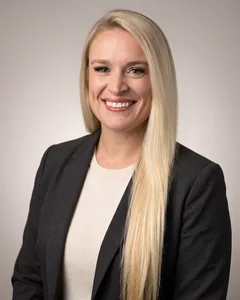
Stefanie Sicre, PMHNP-BC
Psychiatric Nurse Practitioner · Adults and teens 16+

Hannah Parker, PA-C
Physician Assistant · Adults and teens 15+

Daniela Contreras, PA-C
Physician Assistant · Adults and teens 16+; 15 on request · English, Spanish
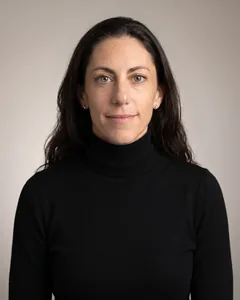
Dr. Sabina Goldstein, MD
Psychiatrist · Adults and teens 15+
Signs of social anxiety disorder
- Intense fear of being judged, embarrassed or humiliated
- Avoiding or enduring with dread situations like meetings, parties, dating or presentations
- Fear of showing anxiety symptoms such as blushing, sweating or a shaky voice
- Blushing, sweating, trembling, rapid heartbeat or nausea in social situations
- Mind going blank or difficulty speaking when attention is on you
- Avoiding eye contact, phone calls or speaking to strangers
- Rehearsing conversations in advance and replaying them afterward
- Low self-esteem and harsh self-criticism after social events
How we diagnose it
We diagnose social anxiety disorder through a clinical interview that identifies the feared situations, the specific fears behind them (looking stupid, being seen to blush, being rejected), how long the fear has lasted, and how much you avoid. We use the Liebowitz Social Anxiety Scale or the Social Phobia Inventory to measure severity and track progress, along with the GAD-7 and PHQ-9. We distinguish social anxiety from panic disorder, agoraphobia, generalized anxiety, autism spectrum disorder, body dysmorphic disorder and avoidant personality disorder, and we screen for depression and alcohol use, which frequently accompany it. We also note whether the fear is generalized across most situations or limited to performance, since that changes treatment.
About 7.1 percent of US adults had social anxiety disorder in the past year, and 12.1 percent will have it at some point in their lives.
Source: NIMH, National Comorbidity Survey Replication
About 9.1 percent of adolescents aged 13 to 18 have social anxiety disorder.
Source: NIMH
The median age of onset for social anxiety disorder is 13, and most people wait more than a decade before seeking treatment.
Source: American Psychiatric Association, DSM-5-TR
Cognitive behavioral therapy produces lasting improvement in social anxiety and in head-to-head trials has outcomes at least equal to medication with lower relapse after treatment ends.
Source: Mayo-Wilson et al., The Lancet Psychiatry, 2014 network meta-analysis
Treatment for social anxiety disorder in Fort Lauderdale
Medication management
SSRIs and SNRIs are first-line for generalized social anxiety disorder. Sertraline, paroxetine, fluvoxamine CR and venlafaxine XR are FDA-approved for it, and escitalopram is widely used. We start low, increase over four weeks, and expect early benefit at four to six weeks with full response by 12 weeks. For performance-only anxiety (presentations, auditions, interviews), propranolol 10 to 40 mg taken an hour beforehand blocks the physical symptoms of trembling, racing heart and shaky voice without sedation. Benzodiazepines are used sparingly because of dependence and because they blunt the learning that exposure depends on. For patients who do not respond to SSRIs, the MAOI phenelzine has strong evidence but requires dietary restrictions, and gabapentin or pregabalin are alternatives. Medication is continued for at least 12 months after improvement.
Psychotherapy
Cognitive behavioral therapy for social anxiety is the most effective psychological treatment and, for many people, the most durable treatment of any kind. Over 12 to 16 sessions you learn to identify the predictions driving the fear, shift attention outward during conversations, drop safety behaviors (avoiding eye contact, rehearsing, holding a drink), and carry out graded exposures to feared situations, often with video feedback that shows the gap between how anxious you feel and how you look. Group CBT works well because the group itself is the exposure. Our therapists coordinate with the prescriber when medication is also used.
What to expect
The first visit is a 45 to 60 minute evaluation, available by video for patients who find an office visit daunting. We go at your pace and focus on the situations that matter most to you. You leave with a plan that may include medication, CBT or both. Follow-ups are every three to four weeks during medication titration, then every two to three months. Therapy sessions are weekly. Telehealth is available throughout Florida and South Carolina and is a good fit for social anxiety, with exposures planned for the real situations in your life.
The complete guide, including causes, subtypes and research, is on our Social Anxiety Disorder page.
Emergency and crisis resources near Fort Lauderdale
In an emergency, call 911 or go to Memorial Regional Hospital Emergency Department (3501 Johnson St, Hollywood). The 988 Suicide and Crisis Lifeline is available by call or text 24 hours a day. Broward Health Medical Center Emergency Department and 988 Suicide and Crisis Lifeline are also listed on the Fort Lauderdale office page.
Frequently asked questions
Who provides social anxiety disorder treatment at the Fort Lauderdale office?
The Fort Lauderdale team includes psychiatrist Dr. Sabina Goldstein, psychiatric nurse practitioners Ashley Toledo and Stefanie Sicre and physician assistants Rodrigo Zuniga, Hannah Parker and Daniela Contreras. Visits in Spanish are available with Rodrigo Zuniga, Ashley Toledo and Daniela Contreras. Every provider works under psychiatrist oversight and the same evaluation standard: about an hour for a first visit, validated screening scales, and a written plan.
Can I be seen by video instead of coming to Fort Lauderdale?
Yes. Stedfast Psychiatry providers are licensed in Florida and offer video visits for evaluations and follow-ups. Some situations, including certain controlled-substance prescriptions and first visits for young children, require an in-person appointment at 3107 Stirling Road.
Does the Fort Lauderdale office take my insurance?
We accept most major commercial plans and Medicare. Call (561) 437-2413 with your member ID and we will verify benefits before the visit. Self-pay new-patient evaluations are $185.
How soon can a new patient be seen in Fort Lauderdale?
Most new patients are scheduled within one to two weeks. If you need to be seen sooner, ask about a video visit; those often open up within days. If you are in crisis, call or text 988 or go to the nearest emergency room rather than waiting.
Can I get Deep TMS or Spravato as a Fort Lauderdale patient?
Yes. Stedfast Psychiatry is licensed for both. Your Fort Lauderdale provider does the evaluation and the prior authorization; treatment sessions are scheduled at our Palm Beach Gardens TMS center and the Boynton Beach Spravato rooms.
What is the difference between shyness and social anxiety disorder?
Shyness is a temperament: discomfort that fades as you warm up, and it does not stop you from living your life. Social anxiety disorder is a persistent fear of judgment that lasts six months or more, causes intense distress or physical symptoms, and leads you to avoid or endure situations at real cost to work, school or relationships. If you are declining promotions, skipping classes or avoiding dating because of the fear, it is more than shyness.
What is the best medication for social anxiety?
Sertraline, paroxetine, escitalopram and venlafaxine XR are first-line and reduce anxiety across all social situations over 8 to 12 weeks. For performance-only anxiety, propranolol taken before the event controls the physical symptoms without affecting your thinking. Benzodiazepines work quickly but are not a good long-term plan. For people who do not respond to SSRIs, other options exist and we will walk through them.
Nearby Stedfast offices
If you are in crisis, call or text 988 or go to the nearest emergency room. Educational content; individual results vary. Reviewed by Dr. David Husted, board-certified psychiatrist.