Stedfast Psychiatry's Hilton Head Island office at 19 Shelter Cove Lane, Suite 202 has 1 prescribing providers under psychiatrist oversight. A new-patient evaluation takes about an hour, in person or by video, and ends with a diagnosis and a written plan. Most major insurance and Medicare accepted; new patients call (561) 320-4330.
Psychiatrist at our Hilton Head Island office
If you live near Shelter Cove Towne Centre or in Sea Pines, Hilton Head Plantation, Port Royal Plantation and Indigo Run, this is your closest Stedfast Psychiatry office for psychiatrist. We also see residents of Okatie, Daufuskie Island, Hardeeville and Beaufort who prefer not to drive farther.
Call (561) 320-4330 to book, or request an appointment online and we will call you back. The office is open weekdays 8:00 AM to 5:00 PM. The office is in Shelter Cove, mid-island, next to Shelter Cove Towne Centre and across William Hilton Parkway from Palmetto Dunes. From the mainland, take US-278 across the bridges onto the island and continue on William Hilton Parkway about five miles; turn at Shelter Cove Lane near the Towne Centre entrance.
Stedfast Psychiatry's Deep TMS and Spravato programs are open to South Carolina patients: the evaluation, screening scales and insurance authorization are done at the Hilton Head Island office or by video, and treatment sessions are scheduled at our Florida treatment centers. Your Hilton Head Island provider will tell you plainly whether a treatment course is practical for you.

Who you will see in Hilton Head Island
The Hilton Head Island team includes psychiatrist Dr. Josh Walters. Children and teens are seen by Josh Walters.
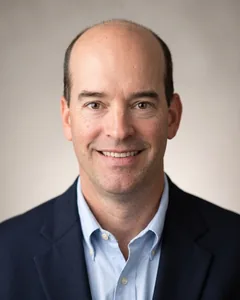
Dr. Josh Walters, MD
Psychiatrist · Adolescents through older adults
How psychiatrist works
The visit is built around a structured clinical interview, the same method used in academic psychiatry. Your provider asks about your current symptoms, when they began, what makes them better or worse, and how they affect sleep, appetite, energy, concentration, relationships and work. We take a full psychiatric history (prior diagnoses, medications tried and their doses, hospitalizations, therapy), a medical history, a family history, and a substance use history. We ask about safety directly and without judgment.
Before or during the visit you complete validated screening scales. The PHQ-9 measures depression severity, the GAD-7 measures anxiety, the ASRS screens for adult ADHD, the MDQ screens for bipolar spectrum symptoms, and the PCL-5 screens for post-traumatic stress disorder. These are not the diagnosis; they are a baseline we will repeat at later visits to measure change objectively. Where a scale and your story disagree, the story wins and we ask more questions.
We also look for medical contributors. Thyroid disease, anemia, vitamin B12 or D deficiency, sleep apnea, and some medications can mimic depression, anxiety or inattention. If you have not had recent labs, we may order a basic panel (TSH, CBC, metabolic panel, B12, vitamin D) or request results from your primary care physician. With your permission we request prior psychiatric records so we are not repeating treatments that already failed. The visit ends with a diagnosis (or a short list of possibilities to clarify), a plan that may include medication, therapy, labs or a referral, and a scheduled follow-up.
Who it is for
An evaluation is for anyone who thinks something is wrong and wants a clear answer. That includes adults who have never seen a psychiatrist, people who have been treated before and did not get better, and patients referred by a primary care physician, therapist, OB/GYN or employer. We see children and adolescents as well, with the minimum age set by the individual provider (some see patients from age four).
You do not need a referral to book, and you do not need to know what is wrong before you call. Common reasons people come to us include low mood that will not lift, worry that interferes with sleep or work, trouble focusing, panic attacks, irritability, grief that has stalled, trauma reactions, and side effects or poor response from a medication prescribed elsewhere. If you are unsure whether a psychiatrist or a therapist is the right first stop, the evaluation sorts that out: our providers can prescribe, refer for therapy, or both.
About 23 percent of US adults (59 million people) lived with a mental illness in 2022, and fewer than half received treatment in the past year.
Source: NIMH, National Survey on Drug Use and Health 2022
The PHQ-9 has a sensitivity of 88 percent and a specificity of 88 percent for major depression at a cutoff of 10.
Source: Kroenke, Spitzer and Williams, Journal of General Internal Medicine, 2001
Roughly one third of patients reach remission on their first antidepressant, which is why an accurate starting diagnosis and measured follow-up matter.
Source: STAR*D trial, National Institute of Mental Health
Mental health conditions are among the leading causes of disability in the United States, accounting for a large share of years lived with disability.
Source: Institute for Health Metrics and Evaluation, Global Burden of Disease
What to expect at your first visit
Plan on 60 minutes for a new-patient evaluation, in person at any of our 13 offices or by secure video for Florida and South Carolina residents. You will receive intake forms and the screening scales through the patient portal ahead of time; completing them before the visit leaves more time for conversation. Bring a list of current medications and supplements with doses, the names of past psychiatric medications if you remember them, and any recent lab results.
If the plan includes medication, a prescription is usually sent the same day, with a follow-up scheduled in two to four weeks to check response and side effects. If the plan includes therapy, we schedule it with one of our therapists or coordinate with yours. Some diagnoses, especially bipolar disorder and ADHD, may require a second visit, collateral information from a family member, or prior records before medication is started. We will tell you that plainly rather than guess.
Cost and insurance in Hilton Head Island
Stedfast Psychiatry accepts most major commercial insurance plans and Medicare. A new-patient evaluation is billed as an outpatient psychiatric diagnostic visit, and your cost depends on your copay, deductible and whether behavioral health is carved out to a separate network under your plan. Our front desk verifies benefits before the visit and tells you what to expect.
If you are uninsured, out of network, or prefer not to use insurance, the self-pay rate for a new-patient visit is $185. Follow-up visits are billed at a lower rate. Labs are billed separately by the laboratory and are usually covered as routine bloodwork. Some insurers require a referral from a primary care physician for specialist visits; check your plan or ask us and we will help.
Full details, risks and research are on the main Psychiatric Evaluation and Diagnosis page.
Emergency and crisis resources near Hilton Head Island
In an emergency, call 911 or go to Hilton Head Hospital Emergency Department (25 Hospital Center Blvd, Hilton Head Island). The 988 Suicide and Crisis Lifeline is available by call or text 24 hours a day. Coastal Carolina Hospital Emergency Department and 988 Suicide and Crisis Lifeline are also listed on the Hilton Head Island office page.
Frequently asked questions
Who provides psychiatrist at the Hilton Head Island office?
The Hilton Head Island team includes psychiatrist Dr. Josh Walters. Every provider works under psychiatrist oversight and the same evaluation standard: about an hour for a first visit, validated screening scales, and a written plan.
Can I be seen by video instead of coming to Hilton Head Island?
Yes. Stedfast Psychiatry providers are licensed in South Carolina and offer video visits for evaluations and follow-ups. Some situations, including certain controlled-substance prescriptions and first visits for young children, require an in-person appointment at 19 Shelter Cove Lane.
Does the Hilton Head Island office take my insurance?
We accept most major commercial plans and Medicare. Call (561) 320-4330 with your member ID and we will verify benefits before the visit. Self-pay new-patient evaluations are $185.
How soon can a new patient be seen in Hilton Head Island?
Most new patients are scheduled within one to two weeks. If you need to be seen sooner, ask about a video visit; those often open up within days. If you are in crisis, call or text 988 or go to the nearest emergency room rather than waiting.
Can I get Deep TMS or Spravato as a Hilton Head Island patient?
Yes. Stedfast Psychiatry is licensed for both. Your Hilton Head Island provider does the evaluation and the prior authorization; treatment sessions are scheduled at our Palm Beach Gardens TMS center and the Palm Beach Gardens Spravato rooms.
How long is a new-patient psychiatric evaluation?
Sixty minutes. The time is divided between your story, a structured review of symptoms and history, the screening scales, and the plan. Children and adolescents often need a little longer because we speak with the parent and the child separately. Follow-up medication visits are shorter, typically 20 to 30 minutes, and therapy sessions are 45 to 55 minutes.
Do I need a referral to see a psychiatrist at Stedfast?
No. You can call or book online directly. Some insurance plans, especially HMOs, require a referral from your primary care physician before they will cover a specialist visit. We check that when we verify your benefits and will tell you if a referral is needed. Medicare does not require a referral for outpatient psychiatry.
What do the screening scales actually tell you?
They put a number on severity so we can track change. The PHQ-9 scores depression from 0 to 27, the GAD-7 scores anxiety from 0 to 21, the ASRS flags adult ADHD symptoms, the MDQ flags a possible bipolar spectrum history, and the PCL-5 measures PTSD symptoms. None of them diagnoses anything alone. Your provider uses them alongside the interview, and we repeat them at follow-ups to see whether treatment is working.
Nearby Stedfast offices
If you are in crisis, call or text 988 or go to the nearest emergency room. Educational content; individual results vary. Reviewed by Dr. David Husted, board-certified psychiatrist.