Substance use disorder is a treatable medical condition involving continued use of alcohol, opioids or other substances despite harm. Outpatient treatment combines FDA-approved medication (naltrexone, acamprosate or disulfiram for alcohol; buprenorphine or naltrexone for opioids), therapy, and treatment of co-occurring depression, anxiety or PTSD. Medication for opioid use disorder cuts the risk of overdose death roughly in half. Stedfast Psychiatry treats substance use and addiction at 120 Brookside Parkway in Lexington and by video across South Carolina; new patients call (561) 234-4467.
Substance Use and Addiction Psychiatry at our Lexington office
If you live near Lexington Medical Center or in Oak Grove, Corley Mill, Golden Hills and Governors Grant, this is your closest Stedfast Psychiatry office for substance use and addiction treatment. We also see residents of West Columbia, Cayce, Irmo and Chapin who prefer not to drive farther.
Free surface parking is available in front of the office, with accessible spaces by the entrance. Suite C is at ground level. The lot is shared with neighboring professional offices. Hours are Monday to Friday, 8:00 AM to 5:00 PM, with weekend appointments by arrangement. New patients call (561) 234-4467; existing patients use (561) 402-3971.
Stedfast Psychiatry's Deep TMS and Spravato programs are open to South Carolina patients: the evaluation, screening scales and insurance authorization are done at the Lexington office or by video, and treatment sessions are scheduled at our Florida treatment centers. Your Lexington provider will tell you plainly whether a treatment course is practical for you.

Who you will see in Lexington
The Lexington team includes psychiatrist Dr. Eric R. Williams and psychiatric nurse practitioner Samantha Harlow. Children and teens are seen by Eric R. Williams and Samantha Harlow.
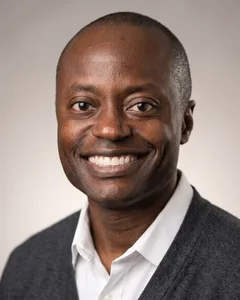
Dr. Eric R. Williams, MD
Psychiatrist · Ages 5 to 64
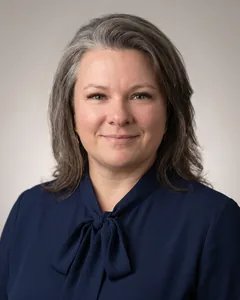
Samantha Harlow, PMHNP-BC
Psychiatric Nurse Practitioner · Ages 5 and up
Signs of substance use and addiction
- Using more or for longer than intended
- Repeated unsuccessful attempts to cut down or stop
- Craving or a strong urge to use
- Spending a great deal of time obtaining, using or recovering
- Failing to meet obligations at work, school or home
- Continuing to use despite relationship, health or legal problems
- Giving up activities you used to enjoy
- Needing more to get the same effect (tolerance)
How we diagnose it
Our evaluation covers each substance used, the amount, frequency, duration and route, prior withdrawal episodes including seizures or delirium tremens, overdoses, prior treatment, and current pattern. We use standardized tools including the AUDIT for alcohol and the DAST for drugs, and we assess DSM-5-TR criteria to rate severity. We screen carefully for co-occurring depression, anxiety, PTSD, ADHD, bipolar disorder and psychosis, distinguishing substance-induced symptoms from independent conditions by their timing relative to use. Labs include liver function, a complete blood count, hepatitis B and C and HIV screening where indicated, and a urine drug screen as a clinical tool rather than a test to pass. We assess whether medically supervised withdrawal is needed, since alcohol and benzodiazepine withdrawal can be life-threatening, and whether outpatient care is the right level.
In 2023, 48.5 million Americans aged 12 and older (16.7 percent) had a substance use disorder in the past year, including 28.9 million with alcohol use disorder.
Source: SAMHSA, National Survey on Drug Use and Health 2023
Only about one in four people with a substance use disorder received any treatment in the past year.
Source: SAMHSA, National Survey on Drug Use and Health
Buprenorphine and methadone treatment reduce the risk of death from opioid overdose by roughly 50 percent.
Source: National Institute on Drug Abuse; Sordo et al., BMJ 2017
About half of people with a substance use disorder will have a co-occurring mental illness at some point, and vice versa.
Source: National Institute on Drug Abuse
Treatment for substance use and addiction in Lexington
Medication management
For alcohol use disorder, naltrexone (daily oral or monthly Vivitrol injection) reduces craving and the reward from drinking and is first-line; acamprosate supports abstinence after withdrawal, particularly with liver disease; disulfiram creates an aversive reaction to alcohol for motivated patients with supervision; and topiramate and gabapentin are evidence-based off-label options. For opioid use disorder, buprenorphine (Suboxone, Subutex, and the monthly Sublocade or Brixadi injections) is prescribed in our offices and by telehealth, started after mild withdrawal has begun, and continued long term; it cuts overdose deaths by about half. Extended-release naltrexone is an alternative for patients who have fully detoxified. We prescribe naloxone to every patient with opioid use disorder. For tobacco, varenicline, bupropion and nicotine replacement are effective, and Deep TMS was FDA-cleared for smoking cessation in 2020. For stimulant and cannabis use disorders, no FDA-approved medication exists, and we use behavioral treatment plus medication for the co-occurring conditions driving use. We treat depression, anxiety, PTSD and ADHD concurrently, choosing medications with low misuse potential where relevant.
Psychotherapy and recovery support
Motivational interviewing helps resolve ambivalence about change. Cognitive behavioral therapy for substance use teaches you to identify triggers, manage craving and handle high-risk situations. Contingency management, which rewards verified abstinence, has the best evidence for stimulant use disorder. Trauma-focused therapy is essential when PTSD drives use. We refer to intensive outpatient programs, partial hospitalization and residential treatment when weekly care is not enough, and we support engagement with mutual-help groups including AA, NA, SMART Recovery and Refuge Recovery. Family members benefit from Al-Anon and the CRAFT approach, and we involve them when the patient agrees.
What to expect
The first visit is a 60-minute evaluation, in person or by video. We assess safety, including withdrawal risk, and agree on a plan that may include starting medication the same day, a referral for medically supervised withdrawal, therapy and recovery support. Early follow-ups are weekly or every two weeks, then monthly once stable; buprenorphine visits follow the required monitoring schedule. Telehealth visits are available across Florida and South Carolina for follow-up and, within current federal and state rules, for buprenorphine care. Your treatment is confidential under federal law (42 CFR Part 2), with stronger protections than most medical records.
The complete guide, including causes, subtypes and research, is on our Substance Use and Addiction Psychiatry page.
Emergency and crisis resources near Lexington
In an emergency, call 911 or go to Lexington Medical Center Emergency Department (2720 Sunset Blvd, West Columbia). The 988 Suicide and Crisis Lifeline is available by call or text 24 hours a day. Prisma Health Richland Hospital Emergency Department and 988 Suicide and Crisis Lifeline are also listed on the Lexington office page.
Frequently asked questions
Who provides substance use and addiction treatment at the Lexington office?
The Lexington team includes psychiatrist Dr. Eric R. Williams and psychiatric nurse practitioner Samantha Harlow. Every provider works under psychiatrist oversight and the same evaluation standard: about an hour for a first visit, validated screening scales, and a written plan.
Can I be seen by video instead of coming to Lexington?
Yes. Stedfast Psychiatry providers are licensed in South Carolina and offer video visits for evaluations and follow-ups. Some situations, including certain controlled-substance prescriptions and first visits for young children, require an in-person appointment at 120 Brookside Parkway.
Does the Lexington office take my insurance?
We accept most major commercial plans and Medicare. Call (561) 234-4467 with your member ID and we will verify benefits before the visit. Self-pay new-patient evaluations are $185.
How soon can a new patient be seen in Lexington?
Most new patients are scheduled within one to two weeks. If you need to be seen sooner, ask about a video visit; those often open up within days. If you are in crisis, call or text 988 or go to the nearest emergency room rather than waiting.
Can I get Deep TMS or Spravato as a Lexington patient?
Yes. Stedfast Psychiatry is licensed for both. Your Lexington provider does the evaluation and the prior authorization; treatment sessions are scheduled at our Palm Beach Gardens TMS center and the Palm Beach Gardens Spravato rooms.
What is the difference between an addiction psychiatrist and a rehab program?
Addiction psychiatry is outpatient medical care: diagnosis, medication such as buprenorphine or naltrexone, and treatment of the depression, anxiety or trauma that drives use, delivered in regular office or video visits while you live your life. Rehab programs (residential, partial hospitalization, intensive outpatient) provide structured daily treatment for a defined period. Many patients use both, and we refer to and coordinate with programs when the intensity is needed. Psychiatric care continues after a program ends, which is when relapse risk is highest.
Is Suboxone just replacing one addiction with another?
No. Buprenorphine is a partial opioid agonist that stabilizes the brain's opioid system without producing the highs and crashes of misuse, and taking a prescribed medication that lets you work, parent and stay alive is treatment, not addiction. Patients on buprenorphine have about half the overdose death rate of those who are not, and better retention in treatment than with any other approach. Length of treatment is individualized, and many people stay on it for years with good reason.
Nearby Stedfast offices
If you are in crisis, call or text 988 or go to the nearest emergency room. Educational content; individual results vary. Reviewed by Dr. David Husted, board-certified psychiatrist.