Treatment-resistant depression is major depression that has not remitted after two or more adequate antidepressant trials, affecting about one third of people treated for depression. Next steps include augmentation with lithium, aripiprazole or bupropion, Deep TMS (FDA-cleared, 36 sessions over six to nine weeks) and Spravato nasal spray (FDA-approved, given in clinic). Most people with TRD respond to one. Stedfast Psychiatry treats treatment-resistant depression at 120 Brookside Parkway in Lexington and by video across South Carolina; new patients call (561) 234-4467.
Treatment-Resistant Depression at our Lexington office
If you live near Lexington Medical Center or in Oak Grove, Corley Mill, Golden Hills and Governors Grant, this is your closest Stedfast Psychiatry office for treatment-resistant depression treatment. We also see residents of West Columbia, Cayce, Irmo and Chapin who prefer not to drive farther.
Call (561) 234-4467 to book, or request an appointment online and we will call you back. The office is open weekdays 8:00 AM to 5:00 PM. The office is off Sunset Boulevard (US-378) on the east side of Lexington, between downtown and the Lexington Medical Center campus. From I-20, take exit 61 for US-378 (Sunset Boulevard) and head west toward Lexington; Brookside Parkway is about two miles along.
Stedfast Psychiatry's Deep TMS and Spravato programs are open to South Carolina patients: the evaluation, screening scales and insurance authorization are done at the Lexington office or by video, and treatment sessions are scheduled at our Florida treatment centers. Your Lexington provider will tell you plainly whether a treatment course is practical for you.

Who you will see in Lexington
The Lexington team includes psychiatrist Dr. Eric R. Williams and psychiatric nurse practitioner Samantha Harlow. Children and teens are seen by Eric R. Williams and Samantha Harlow.

Dr. Eric R. Williams, MD
Psychiatrist · Ages 5 to 64
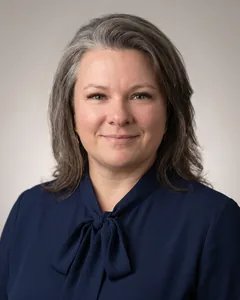
Samantha Harlow, PMHNP-BC
Psychiatric Nurse Practitioner · Ages 5 and up
Signs of treatment-resistant depression
- Depression that persists despite two or more antidepressants at full dose
- Partial improvement that never reaches feeling well
- Repeated relapses when a medication seems to stop working
- Chronic low mood, fatigue and loss of interest lasting years
- Intolerable side effects that have prevented adequate trials
- Worsening hopelessness about ever getting better
- Anxiety, insomnia or pain that persists alongside the depression
- Difficulty working or maintaining relationships because of depression
How we diagnose it
Our TRD evaluation is longer and more detailed than a standard intake. We reconstruct your full treatment history: every medication, dose, duration, response and reason for stopping, and any therapy you have had. We re-examine the diagnosis with structured screening for bipolar disorder, PTSD, ADHD, OCD, personality factors and substance use, because up to a quarter of TRD cases turn out to be bipolar depression. We rate severity with the PHQ-9 and the Montgomery-Asberg Depression Rating Scale (MADRS). We order labs if they have not been done recently: TSH, CBC, metabolic panel, vitamin B12, vitamin D, and sometimes a morning cortisol or inflammatory markers. We screen for sleep apnea. We then stage your depression using the number of adequate trials and discuss which next step the evidence supports for your situation.
In the STAR*D trial, about 37 percent of patients remitted on the first antidepressant, 31 percent on the second, 14 percent on the third and 13 percent on the fourth; roughly one third never remitted across four steps.
Source: STAR*D, National Institute of Mental Health (Rush et al., 2006)
About 30 percent of adults treated for major depression are estimated to have treatment-resistant depression.
Source: Zhdanava et al., Journal of Clinical Psychiatry, 2021
Deep TMS was FDA-cleared for major depressive disorder in 2013; in post-marketing data from more than 1,000 patients, about 75 percent responded and about 50 percent achieved remission.
Source: BrainsWay post-marketing analysis (Tendler et al., 2023)
Spravato (esketamine) was FDA-approved in March 2019 for treatment-resistant depression and in 2020 for MDD with acute suicidal ideation or behavior, in adults, together with an oral antidepressant.
Source: US Food and Drug Administration
Treatment for treatment-resistant depression in Lexington
Medication management
The first step is often optimization: pushing a partially effective antidepressant to its full dose for a full eight to twelve weeks. Next is augmentation, which has better evidence than switching again after two failures. Options include adding lithium (requires blood level monitoring), a low dose of an atypical antipsychotic such as aripiprazole, brexpiprazole, cariprazine or quetiapine (monitoring weight, glucose and lipids), adding bupropion or mirtazapine to an SSRI, or adding triiodothyronine (T3). Switching to a different class, such as from an SSRI to venlafaxine, bupropion or a tricyclic like nortriptyline, is another step. Monoamine oxidase inhibitors such as tranylcypromine remain effective for atypical and refractory depression with dietary care. Pharmacogenomic testing can help when metabolism or side effects have been a problem. We allow six to eight weeks per step and do not let trials drag on without change.
Psychotherapy
Therapy is often undervalued in TRD. Adding CBT to medication improves outcomes for people who have not responded to medication alone, and the Cognitive Behavioral Analysis System of Psychotherapy (CBASP) was designed specifically for chronic depression. Behavioral activation, interpersonal therapy and mindfulness-based cognitive therapy (for relapse prevention) all have evidence. Therapy also addresses the demoralization that years of depression produce, and it continues to help after interventional treatments restore the capacity to engage.
Interventional options
Deep TMS (BrainsWay) is FDA-cleared for major depressive disorder (2013) and anxious depression (2021), as well as OCD and smoking cessation. It delivers magnetic pulses to the left dorsolateral prefrontal cortex through a helmet, without anesthesia, in 20-minute sessions five days a week for six weeks followed by a taper, 36 sessions in total, at our Palm Beach Gardens office. In real-world data from over a thousand patients, about three quarters responded and roughly half reached remission. Spravato (esketamine nasal spray) was FDA-approved in 2019 for treatment-resistant depression and in 2020 for depressive symptoms in adults with major depressive disorder with acute suicidal ideation or behavior, for patients 18 and older, taken alongside an oral antidepressant. It acts on the glutamate system and can produce improvement within days. It is administered in our Boynton Beach, Palm Beach Gardens and Royal Palm Beach offices under the REMS safety program with two hours of monitoring after each dose: twice weekly for four weeks, then weekly for four weeks, then weekly or every other week. Patients cannot drive until the next day. For the most severe cases, electroconvulsive therapy remains the most effective treatment, and we coordinate referrals.
What to expect
Your first visit is a 60 to 90 minute TRD consultation, in person or by video, that includes a full treatment history review. You leave with a staged plan: what we will try first, how long we will give it, and what comes next if it does not work. Medication follow-ups are every three to four weeks. If Deep TMS or Spravato is recommended, our staff handles insurance authorization, which usually takes one to three weeks, and schedules you at the appropriate office. Medication management around TMS or Spravato can be done by telehealth anywhere in Florida or South Carolina.
The complete guide, including causes, subtypes and research, is on our Treatment-Resistant Depression page.
Emergency and crisis resources near Lexington
In an emergency, call 911 or go to Lexington Medical Center Emergency Department (2720 Sunset Blvd, West Columbia). The 988 Suicide and Crisis Lifeline is available by call or text 24 hours a day. Prisma Health Richland Hospital Emergency Department and 988 Suicide and Crisis Lifeline are also listed on the Lexington office page.
Frequently asked questions
Who provides treatment-resistant depression treatment at the Lexington office?
The Lexington team includes psychiatrist Dr. Eric R. Williams and psychiatric nurse practitioner Samantha Harlow. Every provider works under psychiatrist oversight and the same evaluation standard: about an hour for a first visit, validated screening scales, and a written plan.
Can I be seen by video instead of coming to Lexington?
Yes. Stedfast Psychiatry providers are licensed in South Carolina and offer video visits for evaluations and follow-ups. Some situations, including certain controlled-substance prescriptions and first visits for young children, require an in-person appointment at 120 Brookside Parkway.
Does the Lexington office take my insurance?
We accept most major commercial plans and Medicare. Call (561) 234-4467 with your member ID and we will verify benefits before the visit. Self-pay new-patient evaluations are $185.
How soon can a new patient be seen in Lexington?
Most new patients are scheduled within one to two weeks. If you need to be seen sooner, ask about a video visit; those often open up within days. If you are in crisis, call or text 988 or go to the nearest emergency room rather than waiting.
Can I get Deep TMS or Spravato as a Lexington patient?
Yes. Stedfast Psychiatry is licensed for both. Your Lexington provider does the evaluation and the prior authorization; treatment sessions are scheduled at our Palm Beach Gardens TMS center and the Palm Beach Gardens Spravato rooms.
What counts as treatment-resistant depression?
The most common definition is depression that has not reached remission after two or more antidepressants from different classes, each taken at an adequate dose for at least six to eight weeks. Partial response counts as not remitting. Many patients who think they have TRD had trials that were too short or too low, which is why we rebuild the history before labeling anything resistant. Either way, the definition is a doorway to more options, not a verdict.
Should I try TMS or Spravato first?
Both are reasonable after two failed antidepressants and the choice depends on your situation. Deep TMS involves daily visits for six weeks, has minimal side effects (scalp discomfort, headache) and no driving restrictions. Spravato works faster, often within days, which matters when suicidal thoughts are present, but requires two hours of observation per dose, no driving that day, and continues indefinitely for maintenance. Insurance criteria, location and schedule also factor in. We lay out both and recommend one.
Nearby Stedfast offices
If you are in crisis, call or text 988 or go to the nearest emergency room. Educational content; individual results vary. Reviewed by Dr. David Husted, board-certified psychiatrist.