Schizophrenia is a chronic psychotic disorder involving hallucinations, delusions, disorganized thinking and negative symptoms such as withdrawal and low motivation. It is treated with antipsychotic medication (risperidone, aripiprazole, paliperidone and others, including long-acting injections), with clozapine for treatment-resistant cases, plus psychosocial support. With consistent treatment many people live stable, meaningful lives. Stedfast Psychiatry treats schizophrenia and psychotic disorders at 6300 North Wickham Road in Melbourne and by video across Florida; new patients call (561) 295-8859.
Schizophrenia and Psychotic Disorders at our Melbourne office
Patients come to the Melbourne office for schizophrenia and psychotic disorders treatment from Suntree, Viera, Viera West, Viera East and Pineda Crossing, and from nearby Palm Bay, West Melbourne, Rockledge and Cocoa. The office is at 6300 North Wickham Road, Suite 110, close to Health First Viera Hospital.
Free surface parking is available in front of the building, with accessible spaces near the entrance. Suite 110 is on the ground floor. Arrive a few minutes early during school drop-off and pick-up hours, when Wickham Road traffic is heaviest. Hours are Monday to Friday, 8:00 AM to 5:00 PM, with weekend appointments by arrangement. New patients call (561) 295-8859; existing patients use (321) 977-5669.
The Melbourne office is an entry point to Stedfast Psychiatry's Deep TMS and Spravato programs. Treatment sessions run at our Palm Beach Gardens TMS center and the Palm Beach Gardens Spravato rooms, roughly 120 and 120 minutes away; the evaluation, the screening scales and the prior authorization all happen here.

Who you will see in Melbourne
The Melbourne team includes psychiatric nurse practitioners Alexandra Renninger, Hannah Sobas and Merlande Vance. Visits in Creole are available with Merlande Vance. Children and teens are seen by Merlande Vance and Megan Benda.
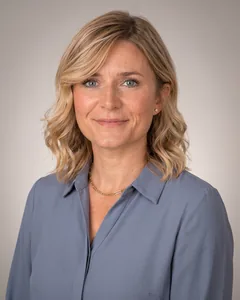
Alexandra Renninger, PMHNP-BC
Psychiatric Nurse Practitioner · Adults 18+
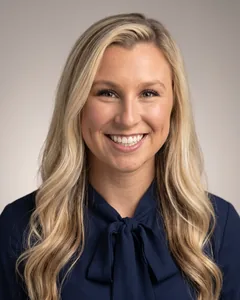
Hannah Sobas, PMHNP-BC
Psychiatric Nurse Practitioner · Adults 18 to 64

Merlande Vance, PMHNP-BC
Psychiatric Nurse Practitioner · Children 6+, teens and adults · English, Creole
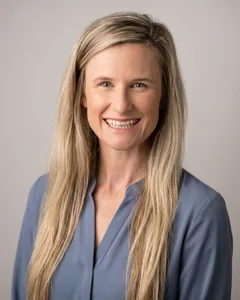
Kindal Sweet
Clinician · Adults 18+; 14 to 17 on request
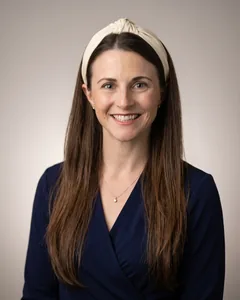
Megan Benda
Clinician · Adults and teens 14+; 13 on request
Signs of schizophrenia and psychotic disorders
- Hearing voices or other hallucinations
- Fixed false beliefs such as being watched, followed or controlled
- Disorganized or hard-to-follow speech
- Confused thinking or difficulty making sense of information
- Flat or reduced emotional expression
- Loss of motivation and neglect of hygiene or responsibilities
- Social withdrawal and loss of interest in relationships
- Trouble with attention, memory and planning
How we diagnose it
Diagnosing a psychotic disorder requires a thorough evaluation, usually with input from family. We take a detailed history of symptom onset, prior episodes, hospitalizations, medications and response, substance use, and functioning at school, work and home. We use the PANSS or BPRS to rate symptom severity and track change. A first episode of psychosis always calls for a medical workup to exclude other causes: a metabolic panel, thyroid tests, complete blood count, vitamin B12, HIV and syphilis screening, a urine drug screen, and brain imaging when the presentation is atypical or there are neurological signs. We distinguish schizophrenia from bipolar disorder with psychotic features, schizoaffective disorder, major depression with psychosis, substance-induced psychosis, delusional disorder and, in older adults, dementia or delirium. We assess safety, insight and the support system before building a treatment plan.
Schizophrenia affects an estimated 0.25 to 0.64 percent of US adults, and roughly 24 million people worldwide.
Source: NIMH; World Health Organization
Schizophrenia is among the top 15 leading causes of disability worldwide.
Source: Global Burden of Disease Study, cited by NIMH
About 5 percent of people with schizophrenia die by suicide, with the highest risk in the first years after diagnosis.
Source: American Psychiatric Association Practice Guideline for Schizophrenia (2020)
Long-acting injectable antipsychotics reduce the risk of relapse and rehospitalization by roughly 20 to 30 percent compared with oral medication in real-world studies.
Source: Kishimoto et al., Lancet Psychiatry, 2021 meta-analysis
Treatment for schizophrenia and psychotic disorders in Melbourne
Medication management
Antipsychotic medication is the foundation of treatment. Second-generation agents such as risperidone, aripiprazole, paliperidone, olanzapine, quetiapine, ziprasidone, lurasidone and cariprazine are typical first choices, selected by side-effect profile: weight and metabolic effects are lowest with aripiprazole, ziprasidone and lurasidone, and sedation and metabolic burden highest with olanzapine and quetiapine. Positive symptoms usually improve within two to six weeks. Long-acting injectable formulations (paliperidone monthly, every three months or every six months; aripiprazole monthly or every two months; risperidone) remove the daily pill and roughly halve relapse and rehospitalization rates; we offer them early rather than as a last resort. Clozapine is the most effective antipsychotic for treatment-resistant schizophrenia and for reducing suicide risk, and we prescribe it with the required blood count monitoring. We monitor weight, waist, blood pressure, fasting glucose or A1c, and lipids at baseline, three months and annually, screen for movement side effects, and treat them. Antidepressants or mood stabilizers are added in schizoaffective disorder.
Psychotherapy and psychosocial support
Medication controls symptoms; psychosocial treatment restores function. CBT for psychosis helps people reduce the distress of voices and beliefs and improve coping. Family psychoeducation lowers relapse rates by helping relatives understand the illness and reduce conflict. Social skills training, supported employment and education, and cognitive remediation address the negative and cognitive symptoms that medication reaches less well. For first-episode psychosis, coordinated specialty care programs that bundle these elements produce the best long-term outcomes, and we connect patients with those programs where they exist in Florida and South Carolina. We coordinate with community mental health centers, case managers, ACT teams and residential programs as needed.
What to expect
The first visit is a 60-minute evaluation, in person at any of our offices or by video, and we encourage a family member to attend if you agree. We review the history, order any needed labs, and agree on a medication plan and a safety plan. Follow-ups are every two to four weeks while medication is adjusted, then monthly or every three months when stable. Long-acting injections are given in the office on a fixed schedule. Telehealth follow-ups are available in Florida and South Carolina and help many patients stay engaged between in-person visits.
The complete guide, including causes, subtypes and research, is on our Schizophrenia and Psychotic Disorders page.
Emergency and crisis resources near Melbourne
In an emergency, call 911 or go to Health First Viera Hospital Emergency Department (8745 N Wickham Rd, Melbourne). The 988 Suicide and Crisis Lifeline is available by call or text 24 hours a day. Holmes Regional Medical Center Emergency Department and 988 Suicide and Crisis Lifeline are also listed on the Melbourne office page.
Frequently asked questions
Who provides schizophrenia and psychotic disorders treatment at the Melbourne office?
The Melbourne team includes psychiatric nurse practitioners Alexandra Renninger, Hannah Sobas and Merlande Vance. Visits in Creole are available with Merlande Vance. Every provider works under psychiatrist oversight and the same evaluation standard: about an hour for a first visit, validated screening scales, and a written plan.
Can I be seen by video instead of coming to Melbourne?
Yes. Stedfast Psychiatry providers are licensed in Florida and offer video visits for evaluations and follow-ups. Some situations, including certain controlled-substance prescriptions and first visits for young children, require an in-person appointment at 6300 North Wickham Road.
Does the Melbourne office take my insurance?
We accept most major commercial plans and Medicare. Call (561) 295-8859 with your member ID and we will verify benefits before the visit. Self-pay new-patient evaluations are $185.
How soon can a new patient be seen in Melbourne?
Most new patients are scheduled within one to two weeks. If you need to be seen sooner, ask about a video visit; those often open up within days. If you are in crisis, call or text 988 or go to the nearest emergency room rather than waiting.
Can I get Deep TMS or Spravato as a Melbourne patient?
Yes. Stedfast Psychiatry is licensed for both. Your Melbourne provider does the evaluation and the prior authorization; treatment sessions are scheduled at our Palm Beach Gardens TMS center and the Palm Beach Gardens Spravato rooms.
Can schizophrenia be treated on an outpatient basis?
Yes, and most care for schizophrenia happens in outpatient settings. Hospitalization is for acute crises: severe psychosis, danger to self or others, or inability to care for basic needs. Between and after those episodes, ongoing medication management, monitoring and psychosocial support in a clinic like ours is what keeps people stable. We coordinate with hospitals, community mental health centers and case managers so care continues across settings.
What is the best medication for schizophrenia?
No single antipsychotic is best for everyone except clozapine for treatment-resistant cases. First choices are usually second-generation agents such as aripiprazole, risperidone, paliperidone or lurasidone, chosen by side-effect profile and your history. If two antipsychotics have failed, clozapine is the next step and is underused. Long-acting injectables of the same medications are often the best way to prevent relapse.
Nearby Stedfast offices
If you are in crisis, call or text 988 or go to the nearest emergency room. Educational content; individual results vary. Reviewed by Dr. David Husted, board-certified psychiatrist.