Borderline personality disorder involves intense, rapidly shifting emotions, unstable relationships, fear of abandonment, impulsivity and often self-harm. The primary treatment is structured psychotherapy, especially dialectical behavior therapy (DBT), with medication used to target specific symptoms such as mood instability or impulsivity. Most people improve substantially, and the majority achieve remission over time. Stedfast Psychiatry treats borderline personality disorder at 266 NW Peacock Blvd in Port St. Lucie and by video across Florida; new patients call (561) 295-4629.
Borderline Personality Disorder at our Port St. Lucie office
The Port St. Lucie office at 266 NW Peacock Blvd, Suite 203 serves PGA Village, Verano, Tesoro, The Vineyards and Sandpiper Bay and the surrounding communities of Fort Pierce, Stuart, Jensen Beach, Palm City and Vero Beach. Cleveland Clinic Tradition Hospital is a useful landmark for first-time visitors.
Call (561) 295-4629 to book, or request an appointment online and we will call you back. The office is open weekdays 8:00 AM to 5:00 PM. The office is in St. Lucie West, immediately east of I-95.
The Port St. Lucie office is an entry point to Stedfast Psychiatry's Deep TMS and Spravato programs. Treatment sessions run at our Palm Beach Gardens TMS center and the Palm Beach Gardens Spravato rooms, roughly 55 and 55 minutes away; the evaluation, the screening scales and the prior authorization all happen here.

Who you will see in Port St. Lucie
The Port St. Lucie team includes psychiatric nurse practitioners Kathryn Segura, Ryan Loli and Carline Grand Pierre and physician assistants Kevin Myirski, Elco Marquez and Taylor Kane. Visits in Spanish are available with Elco Marquez. Children and teens are seen by Kevin Myirski, Kathryn Segura and Taylor Kane. Ryan Loli and Carline Grand Pierre focus on adults 65 and older, including facility residents.

Kevin Myirski, PA-C
Physician Assistant · Adults and teens 15+; younger on request
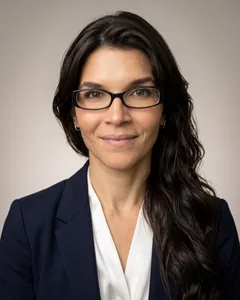
Kathryn Segura, PMHNP-BC
Psychiatric Nurse Practitioner · Adults and teens 16+

Elco Marquez, PA-C
Physician Assistant · Adults 18+ · English, Spanish
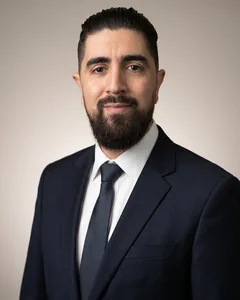
Ryan Loli, PMHNP-BC
Psychiatric Nurse Practitioner · Adults 65+ (facility visits only)
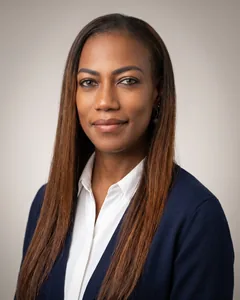
Carline Grand Pierre
Psychiatric Nurse Practitioner · Adults 65+ (facility visits only)
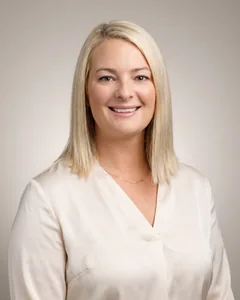
Taylor Kane, PA-C
Physician Assistant · Adults and teens 17+
Signs of borderline personality disorder
- Frantic efforts to avoid real or imagined abandonment
- Intense, unstable relationships that alternate between idealizing and devaluing
- Unstable self-image or sense of who you are
- Impulsive behavior in areas like spending, sex, substance use, driving or eating
- Recurrent self-harm, suicidal threats or attempts
- Intense mood shifts lasting hours to a day
- Chronic feelings of emptiness
- Intense anger that is hard to control
How we diagnose it
We diagnose BPD through a careful clinical interview focused on long-standing patterns rather than the current crisis: how relationships typically go, how you react to perceived rejection, how quickly moods change and what triggers them, impulsivity, self-harm and suicidal behavior, and your sense of identity. The McLean Screening Instrument for BPD is a useful screen, and we may use the structured interview for personality disorders. Distinguishing BPD from bipolar disorder is central: BPD mood shifts last hours and are triggered by interpersonal events, while bipolar episodes last days to weeks and arise more autonomously; the two can coexist. We also assess for PTSD and complex trauma, depression, ADHD, eating disorders and substance use, all of which are common companions and change the plan. A safety assessment is part of every visit.
About 1.4 percent of US adults have borderline personality disorder in a given year.
Source: NIMH, National Comorbidity Survey Replication
Roughly 75 percent of people diagnosed with BPD are women, though community studies suggest the true gender gap is smaller.
Source: American Psychiatric Association, DSM-5-TR
In long-term follow-up studies, about 85 percent of people with BPD achieved remission within 10 years, and most did not relapse.
Source: McLean Study of Adult Development (Zanarini et al., 2012)
Dialectical behavior therapy reduces suicide attempts, self-harm and psychiatric hospitalizations compared with treatment by community experts.
Source: Linehan et al., Archives of General Psychiatry, 2006
Treatment for borderline personality disorder in Port St. Lucie
Medication management
No medication is FDA-approved for BPD, and medication does not treat the disorder itself, but it can reduce specific symptoms while therapy does the core work. SSRIs such as sertraline or fluoxetine help when depression or anxiety is present. Low doses of atypical antipsychotics such as aripiprazole or quetiapine can reduce anger, impulsivity and stress-related paranoia. Lamotrigine or topiramate are sometimes used for mood instability and impulsivity, with mixed evidence. We avoid benzodiazepines, which worsen impulsivity and disinhibition, and we keep regimens simple because polypharmacy is a common problem in BPD and increases overdose risk. We prescribe limited quantities when safety is a concern and review each medication's usefulness regularly, stopping what is not clearly helping.
Psychotherapy
Psychotherapy is the primary treatment for BPD. Dialectical behavior therapy (DBT) has the strongest evidence and teaches four skill sets: mindfulness, distress tolerance, emotion regulation and interpersonal effectiveness, typically through weekly individual therapy plus a skills group over six to twelve months. Mentalization-based treatment, schema therapy, transference-focused psychotherapy and good psychiatric management are also effective. Our therapists provide DBT-informed individual therapy and we refer to full DBT programs with skills groups and phone coaching when that level of care is needed. Therapy is where the reduction in self-harm, hospitalization and relationship chaos happens, and medication is the support, not the reverse.
What to expect
The first visit is a 60-minute evaluation, in person or by video, that focuses on long-term patterns as well as current symptoms. You leave with a diagnosis explained in plain terms, a therapy plan, a safety plan, and medication if a specific symptom warrants it. Psychiatric follow-ups are every four to eight weeks; therapy is weekly. We coordinate closely between prescriber and therapist, because consistency between providers is itself part of effective BPD care. Telehealth is available across Florida and South Carolina for both medication visits and therapy.
The complete guide, including causes, subtypes and research, is on our Borderline Personality Disorder page.
Emergency and crisis resources near Port St. Lucie
In an emergency, call 911 or go to Cleveland Clinic Tradition Hospital Emergency Department (10000 SW Innovation Way, Port St). The 988 Suicide and Crisis Lifeline is available by call or text 24 hours a day. HCA Florida St. Lucie Hospital Emergency Room and 988 Suicide and Crisis Lifeline are also listed on the Port St. Lucie office page.
Frequently asked questions
Who provides borderline personality disorder treatment at the Port St. Lucie office?
The Port St. Lucie team includes psychiatric nurse practitioners Kathryn Segura, Ryan Loli and Carline Grand Pierre and physician assistants Kevin Myirski, Elco Marquez and Taylor Kane. Visits in Spanish are available with Elco Marquez. Every provider works under psychiatrist oversight and the same evaluation standard: about an hour for a first visit, validated screening scales, and a written plan.
Can I be seen by video instead of coming to Port St. Lucie?
Yes. Stedfast Psychiatry providers are licensed in Florida and offer video visits for evaluations and follow-ups. Some situations, including certain controlled-substance prescriptions and first visits for young children, require an in-person appointment at 266 NW Peacock Blvd.
Does the Port St. Lucie office take my insurance?
We accept most major commercial plans and Medicare. Call (561) 295-4629 with your member ID and we will verify benefits before the visit. Self-pay new-patient evaluations are $185.
How soon can a new patient be seen in Port St. Lucie?
Most new patients are scheduled within one to two weeks. If you need to be seen sooner, ask about a video visit; those often open up within days. If you are in crisis, call or text 988 or go to the nearest emergency room rather than waiting.
Can I get Deep TMS or Spravato as a Port St. Lucie patient?
Yes. Stedfast Psychiatry is licensed for both. Your Port St. Lucie provider does the evaluation and the prior authorization; treatment sessions are scheduled at our Palm Beach Gardens TMS center and the Palm Beach Gardens Spravato rooms.
Is BPD the same as bipolar disorder?
No, although they are often confused. Bipolar disorder involves mood episodes lasting days to weeks that come on largely independent of events. BPD involves mood shifts lasting hours to a day, usually triggered by interpersonal events like perceived rejection, along with unstable relationships, identity disturbance and fear of abandonment. Bipolar disorder responds to mood stabilizers; BPD responds to structured therapy. About 10 to 20 percent of people have both, and a careful history sorts it out.
Is borderline personality disorder treatable?
Yes, and the outcomes are better than most people, including some clinicians, believe. In the largest long-term study, 85 percent of patients reached remission within 10 years and most stayed there. DBT and other structured therapies substantially reduce self-harm, hospitalization and emotional chaos within a year. The 'untreatable' reputation comes from an era before these therapies existed.
Nearby Stedfast offices
If you are in crisis, call or text 988 or go to the nearest emergency room. Educational content; individual results vary. Reviewed by Dr. David Husted, board-certified psychiatrist.