Cognitive decline ranges from normal aging to mild cognitive impairment to dementia, and depression, medications and medical conditions often mimic it. Evaluation includes cognitive testing, screening for depression and reversible causes, and coordination with neurology. Treatment addresses mood, sleep and behavioral symptoms with careful medication choices, supports caregivers, and includes cholinesterase inhibitors and memantine for Alzheimer's disease. Stedfast Psychiatry treats cognitive decline, dementia and memory concerns at 266 NW Peacock Blvd in Port St. Lucie and by video across Florida; new patients call (561) 295-4629.
Cognitive Decline, Dementia and Memory Concerns at our Port St. Lucie office
Patients come to the Port St. Lucie office for cognitive decline, dementia and memory concerns treatment from St. Lucie West, Tradition, Torino, Lake Charles and PGA Village, and from nearby Fort Pierce, Stuart, Jensen Beach and Palm City. The office is at 266 NW Peacock Blvd, Suite 203, close to Clover Park.
Free surface parking surrounds the building, with accessible spaces by the main entrance. Suite 203 is on the second floor with elevator access. The lot is shared with other medical offices and rarely fills. Hours are Monday to Friday, 8:00 AM to 5:00 PM, with weekend appointments by arrangement. New patients call (561) 295-4629; existing patients use (772) 279-8811.
The Port St. Lucie office is an entry point to Stedfast Psychiatry's Deep TMS and Spravato programs. Treatment sessions run at our Palm Beach Gardens TMS center and the Palm Beach Gardens Spravato rooms, roughly 55 and 55 minutes away; the evaluation, the screening scales and the prior authorization all happen here.

Who you will see in Port St. Lucie
The Port St. Lucie team includes psychiatric nurse practitioners Kathryn Segura, Ryan Loli and Carline Grand Pierre and physician assistants Kevin Myirski, Elco Marquez and Taylor Kane. Visits in Spanish are available with Elco Marquez. Children and teens are seen by Kevin Myirski, Kathryn Segura and Taylor Kane. Ryan Loli and Carline Grand Pierre focus on adults 65 and older, including facility residents.
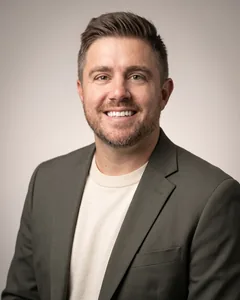
Kevin Myirski, PA-C
Physician Assistant · Adults and teens 15+; younger on request

Kathryn Segura, PMHNP-BC
Psychiatric Nurse Practitioner · Adults and teens 16+

Elco Marquez, PA-C
Physician Assistant · Adults 18+ · English, Spanish

Ryan Loli, PMHNP-BC
Psychiatric Nurse Practitioner · Adults 65+ (facility visits only)
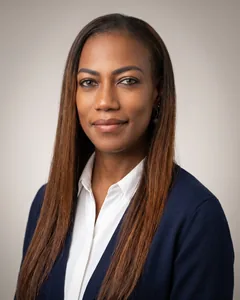
Carline Grand Pierre
Psychiatric Nurse Practitioner · Adults 65+ (facility visits only)
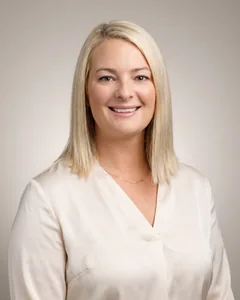
Taylor Kane, PA-C
Physician Assistant · Adults and teens 17+
Signs of cognitive decline, dementia and memory concerns
- Forgetting recent conversations, appointments or events, and not recalling them later
- Repeating questions or stories
- Difficulty managing finances, medications or familiar tasks
- Getting lost in familiar places
- Trouble finding words or following conversations
- Poor judgment or uncharacteristic decisions
- Withdrawal from activities and social life
- New depression, anxiety, apathy or irritability in later life
How we diagnose it
Our geriatric evaluation begins with a history from the patient and, with permission, a family member, since the person with memory loss may not recognize it. We use standardized cognitive screens such as the Montreal Cognitive Assessment (MoCA) or the Saint Louis University Mental Status exam, screen for depression with the Geriatric Depression Scale and the PHQ-9, and assess for anxiety, sleep problems, hallucinations and functional changes. We review every medication, prescription and over-the-counter, for drugs that impair cognition, including benzodiazepines, sleep aids, antihistamines, bladder medications and opioids. Labs include TSH, vitamin B12, folate, a metabolic panel and a complete blood count, and brain imaging is ordered or reviewed when not already done. We coordinate with neurology for formal neuropsychological testing, biomarker evaluation and consideration of newer Alzheimer's therapies when appropriate, and we assess safety, driving and capacity when needed.
About 6.9 million Americans aged 65 and older are living with Alzheimer's dementia in 2024, a number projected to nearly double by 2050.
Source: Alzheimer's Association, 2024 Facts and Figures
Mild cognitive impairment affects an estimated 12 to 18 percent of people aged 60 and older, and about 10 to 15 percent of those with MCI progress to dementia each year.
Source: Alzheimer's Association
Up to 40 percent of dementia cases worldwide may be attributable to modifiable risk factors such as hearing loss, hypertension, depression, physical inactivity and social isolation.
Source: Lancet Commission on Dementia Prevention, 2020
Depression affects about 1 to 5 percent of community-dwelling older adults but up to 13.5 percent of those receiving home health care and higher rates in long-term care.
Source: CDC
Treatment for cognitive decline, dementia and memory concerns in Port St. Lucie
Medication management
For Alzheimer's disease, cholinesterase inhibitors (donepezil, rivastigmine, galantamine) modestly improve or stabilize cognition and function in mild to moderate stages, and memantine is added in moderate to severe stages; we prescribe and monitor these and coordinate with neurology on the newer anti-amyloid infusions (lecanemab, donanemab) for eligible early-stage patients. Depression in older adults responds to SSRIs such as sertraline and escitalopram, started at low doses, with attention to sodium levels and fall risk; mirtazapine helps when poor sleep and appetite dominate. For the behavioral and psychological symptoms of dementia (agitation, aggression, psychosis), we use non-drug approaches first, then SSRIs such as citalopram, and antipsychotics only when symptoms are severe and dangerous, at the lowest dose for the shortest time, with full discussion of the FDA boxed warning on increased mortality in dementia; brexpiprazole is FDA-approved for agitation in Alzheimer's dementia. We avoid benzodiazepines, anticholinergics and sedating sleep aids, and we deprescribe medications that are doing harm. Lewy body dementia requires particular care because of severe antipsychotic sensitivity.
Psychotherapy and caregiver support
Psychotherapy helps older adults with depression, anxiety and adjustment to cognitive change, particularly in mild cognitive impairment and early dementia when insight is preserved; problem-solving therapy and CBT adapted for older adults are effective. For moderate to advanced dementia, treatment shifts toward the environment and the caregiver: structured routines, meaningful activity, managing triggers for agitation, sleep hygiene, and reducing overstimulation. Caregiver education and support lower caregiver depression and delay nursing home placement. We connect families with the Alzheimer's Association, area agencies on aging, adult day programs and respite resources, and we address the caregiver's own mental health.
What to expect
The first visit is a 60-minute evaluation, usually with a family member present, in person at any of our offices, by video, or at the patient's facility through Stedfast Living. We complete cognitive and mood screening, review medications and labs, and agree on a plan that may include treatment of depression or sleep, medication changes, neurology referral and family resources. Follow-ups are every four to eight weeks initially, then every three months. Telehealth is available throughout Florida and South Carolina and works well for medication follow-up with a caregiver present.
The complete guide, including causes, subtypes and research, is on our Cognitive Decline, Dementia and Memory Concerns page.
Emergency and crisis resources near Port St. Lucie
In an emergency, call 911 or go to Cleveland Clinic Tradition Hospital Emergency Department (10000 SW Innovation Way, Port St). The 988 Suicide and Crisis Lifeline is available by call or text 24 hours a day. HCA Florida St. Lucie Hospital Emergency Room and 988 Suicide and Crisis Lifeline are also listed on the Port St. Lucie office page.
Frequently asked questions
Who provides cognitive decline, dementia and memory concerns treatment at the Port St. Lucie office?
The Port St. Lucie team includes psychiatric nurse practitioners Kathryn Segura, Ryan Loli and Carline Grand Pierre and physician assistants Kevin Myirski, Elco Marquez and Taylor Kane. Visits in Spanish are available with Elco Marquez. Every provider works under psychiatrist oversight and the same evaluation standard: about an hour for a first visit, validated screening scales, and a written plan.
Can I be seen by video instead of coming to Port St. Lucie?
Yes. Stedfast Psychiatry providers are licensed in Florida and offer video visits for evaluations and follow-ups. Some situations, including certain controlled-substance prescriptions and first visits for young children, require an in-person appointment at 266 NW Peacock Blvd.
Does the Port St. Lucie office take my insurance?
We accept most major commercial plans and Medicare. Call (561) 295-4629 with your member ID and we will verify benefits before the visit. Self-pay new-patient evaluations are $185.
How soon can a new patient be seen in Port St. Lucie?
Most new patients are scheduled within one to two weeks. If you need to be seen sooner, ask about a video visit; those often open up within days. If you are in crisis, call or text 988 or go to the nearest emergency room rather than waiting.
Can I get Deep TMS or Spravato as a Port St. Lucie patient?
Yes. Stedfast Psychiatry is licensed for both. Your Port St. Lucie provider does the evaluation and the prior authorization; treatment sessions are scheduled at our Palm Beach Gardens TMS center and the Palm Beach Gardens Spravato rooms.
Is it normal aging or something more?
Occasionally forgetting a name or where you put your keys, and remembering later, is normal. Forgetting recent conversations entirely, repeating questions, getting lost in familiar places, struggling with finances or medications, or family noticing changes you do not are signs to be evaluated. Depression, poor sleep, medications and medical problems cause similar symptoms and are treatable, which is the strongest reason not to wait.
What is the difference between a geriatric psychiatrist and a neurologist for memory problems?
They overlap and often work together. Neurologists focus on diagnosing the specific brain disease, with imaging, biomarkers and detailed testing, and prescribe disease-specific treatments. Geriatric psychiatry evaluates and treats the mood, anxiety, sleep and behavioral symptoms that accompany or mimic cognitive decline, manages medications that affect thinking, and supports families. Many patients benefit from both, and we coordinate the referral.
Nearby Stedfast offices
If you are in crisis, call or text 988 or go to the nearest emergency room. Educational content; individual results vary. Reviewed by Dr. David Husted, board-certified psychiatrist.