Chronic insomnia is trouble falling or staying asleep at least three nights a week for three months with daytime impairment. First-line treatment is cognitive behavioral therapy for insomnia (CBT-I), which outperforms medication long term. Short-term medication options include doxepin, trazodone, ramelteon and newer orexin antagonists, with sedative-hypnotics used sparingly. Treating coexisting depression or anxiety is essential. Stedfast Psychiatry treats insomnia at 19 Shelter Cove Lane in Hilton Head Island and by video across South Carolina; new patients call (561) 320-4330.
Insomnia at our Hilton Head Island office
If you live near Shelter Cove Towne Centre or in Sea Pines, Hilton Head Plantation, Port Royal Plantation and Indigo Run, this is your closest Stedfast Psychiatry office for insomnia treatment. We also see residents of Okatie, Daufuskie Island, Hardeeville and Beaufort who prefer not to drive farther.
New-patient scheduling for Hilton Head Island runs through (561) 320-4330. Existing patients reach the office directly at (561) 402-3971. Free surface parking is available at the building, with accessible spaces near the entrance. If a same-week in-person slot is not open, a video visit with the same provider usually is.
Stedfast Psychiatry's Deep TMS and Spravato programs are open to South Carolina patients: the evaluation, screening scales and insurance authorization are done at the Hilton Head Island office or by video, and treatment sessions are scheduled at our Florida treatment centers. Your Hilton Head Island provider will tell you plainly whether a treatment course is practical for you.

Who you will see in Hilton Head Island
The Hilton Head Island team includes psychiatrist Dr. Josh Walters. Children and teens are seen by Josh Walters.
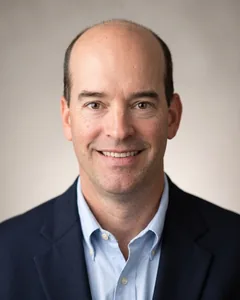
Dr. Josh Walters, MD
Psychiatrist · Adolescents through older adults
Signs of insomnia
- Taking more than 30 minutes to fall asleep most nights
- Waking during the night and struggling to get back to sleep
- Waking an hour or more before you need to and not returning to sleep
- Unrefreshing sleep despite enough time in bed
- Daytime fatigue, sleepiness or low energy
- Irritability, low mood or anxiety about sleep
- Difficulty concentrating or remembering
- Dreading bedtime or watching the clock
How we diagnose it
A sleep evaluation at Stedfast Psychiatry starts with a detailed sleep history: your schedule, time to fall asleep, number and length of awakenings, naps, caffeine and alcohol, screen use, and what you do when you cannot sleep. We use the Insomnia Severity Index and a two-week sleep diary, and we screen for depression, anxiety, PTSD, ADHD and bipolar disorder because insomnia is often the first visible sign of one of them. We screen for sleep apnea (snoring, witnessed pauses, morning headaches, daytime sleepiness) with the STOP-Bang questionnaire and refer for a sleep study when it is likely, because sedating medications can worsen untreated apnea. We review all medications and order thyroid tests, iron studies for restless legs, or other labs when indicated.
About one third of US adults report insomnia symptoms, and roughly 10 percent meet criteria for chronic insomnia disorder.
Source: American Academy of Sleep Medicine
More than one third of US adults report sleeping less than the recommended seven hours per night.
Source: CDC, Behavioral Risk Factor Surveillance System
CBT-I is recommended as the first-line treatment for chronic insomnia in adults, ahead of medication.
Source: American College of Physicians Clinical Practice Guideline (2016); American Academy of Sleep Medicine (2021)
People with insomnia have about twice the risk of developing depression compared with those who sleep well.
Source: Meta-analysis, Journal of Affective Disorders (Baglioni et al., 2011)
Treatment for insomnia in Hilton Head Island
Medication management
When medication is appropriate we choose based on the pattern. Low-dose doxepin (3 to 6 mg) is FDA-approved for sleep maintenance and is not habit-forming. Trazodone 25 to 100 mg is widely used off-label, especially when depression is present. Ramelteon acts on melatonin receptors and helps with sleep onset. The orexin receptor antagonists suvorexant, lemborexant and daridorexant are newer options that reduce wakefulness without the next-day grogginess of older drugs. Mirtazapine helps when depression, poor appetite and insomnia occur together. Sedative-hypnotics such as zolpidem and eszopiclone work quickly but carry risks of tolerance, dependence, complex sleep behaviors and falls, so we use them short term and rarely in older adults. We avoid benzodiazepines for chronic insomnia. Medication is reviewed every four to eight weeks with the goal of tapering as CBT-I takes effect.
Psychotherapy
Cognitive behavioral therapy for insomnia (CBT-I) is the first-line treatment recommended by the American Academy of Sleep Medicine and the American College of Physicians. Over four to eight sessions it uses sleep restriction (temporarily limiting time in bed to consolidate sleep), stimulus control (bed is for sleep only; get up if awake more than 20 minutes), fixed wake times, cognitive work on anxiety about sleep, and relaxation training. CBT-I improves sleep in 70 to 80 percent of patients and the gains last after treatment ends, which medication cannot claim. It can be delivered by telehealth and combined with medication during the first weeks when sleep restriction is hardest.
What to expect
Your first visit is a 45 to 60 minute evaluation, in person or by video, and we may ask you to keep a sleep diary beforehand. You leave with a working diagnosis of what is driving the insomnia and a plan that may include CBT-I, medication, treatment of an underlying condition, or a referral for a sleep study. Follow-ups are every two to four weeks at first. Telehealth works especially well for CBT-I and medication follow-up, and we see patients across Florida and South Carolina.
The complete guide, including causes, subtypes and research, is on our Insomnia page.
Emergency and crisis resources near Hilton Head Island
In an emergency, call 911 or go to Hilton Head Hospital Emergency Department (25 Hospital Center Blvd, Hilton Head Island). The 988 Suicide and Crisis Lifeline is available by call or text 24 hours a day. Coastal Carolina Hospital Emergency Department and 988 Suicide and Crisis Lifeline are also listed on the Hilton Head Island office page.
Frequently asked questions
Who provides insomnia treatment at the Hilton Head Island office?
The Hilton Head Island team includes psychiatrist Dr. Josh Walters. Every provider works under psychiatrist oversight and the same evaluation standard: about an hour for a first visit, validated screening scales, and a written plan.
Can I be seen by video instead of coming to Hilton Head Island?
Yes. Stedfast Psychiatry providers are licensed in South Carolina and offer video visits for evaluations and follow-ups. Some situations, including certain controlled-substance prescriptions and first visits for young children, require an in-person appointment at 19 Shelter Cove Lane.
Does the Hilton Head Island office take my insurance?
We accept most major commercial plans and Medicare. Call (561) 320-4330 with your member ID and we will verify benefits before the visit. Self-pay new-patient evaluations are $185.
How soon can a new patient be seen in Hilton Head Island?
Most new patients are scheduled within one to two weeks. If you need to be seen sooner, ask about a video visit; those often open up within days. If you are in crisis, call or text 988 or go to the nearest emergency room rather than waiting.
Can I get Deep TMS or Spravato as a Hilton Head Island patient?
Yes. Stedfast Psychiatry is licensed for both. Your Hilton Head Island provider does the evaluation and the prior authorization; treatment sessions are scheduled at our Palm Beach Gardens TMS center and the Palm Beach Gardens Spravato rooms.
Is medication or CBT-I better for insomnia?
CBT-I is better for chronic insomnia. It works for 70 to 80 percent of people, the gains hold after treatment ends, and it carries no risk of dependence. Medication works faster and has a role in short-term insomnia, during the first weeks of CBT-I, and when an underlying condition such as depression needs treatment. Our usual plan is CBT-I as the foundation with medication as a bridge if needed.
What is the safest sleep medication for long-term use?
Low-dose doxepin, ramelteon and the orexin antagonists (suvorexant, lemborexant, daridorexant) have the best safety profiles for ongoing use and do not cause dependence. Trazodone is widely used and generally safe. Zolpidem and similar drugs are best kept to short courses. Over-the-counter diphenhydramine (Benadryl, ZzzQuil) is a poor choice for regular use, especially in older adults, because of next-day impairment and anticholinergic effects.
Nearby Stedfast offices
If you are in crisis, call or text 988 or go to the nearest emergency room. Educational content; individual results vary. Reviewed by Dr. David Husted, board-certified psychiatrist.