Eating disorders such as anorexia, bulimia, binge eating disorder and ARFID are serious, treatable psychiatric conditions. Outpatient treatment combines medical monitoring, specialized psychotherapy (CBT-E, family-based treatment for adolescents), nutritional support, and medication where evidence supports it: fluoxetine for bulimia and lisdexamfetamine for binge eating disorder. Early treatment significantly improves recovery. Stedfast Psychiatry treats eating disorders at 729 SW Federal Hwy in Stuart and by video across Florida; new patients call (561) 257-3099.
Eating Disorders: Anorexia, Bulimia, Binge Eating at our Stuart office
If you live near Cleveland Clinic Martin North Hospital or in Rio, Sewall's Point, Port Salerno and Hutchinson Island, this is your closest Stedfast Psychiatry office for eating disorders treatment. We also see residents of Jensen Beach, Port Salerno, Hobe Sound and Sewall's Point who prefer not to drive farther.
Free parking is available in the surface lot in front of the building, with accessible spaces close to the entrance. The suite is on the ground floor. Street parking on Federal Highway is not recommended. Hours are Monday to Friday, 8:00 AM to 5:00 PM, with weekend appointments by arrangement. New patients call (561) 257-3099; existing patients use (772) 226-8265.
The Stuart office is an entry point to Stedfast Psychiatry's Deep TMS and Spravato programs. Treatment sessions run at our Palm Beach Gardens TMS center and the Palm Beach Gardens Spravato rooms, roughly 40 and 40 minutes away; the evaluation, the screening scales and the prior authorization all happen here.

Who you will see in Stuart
The Stuart team includes psychiatric nurse practitioners Jienne Torres and Maria Ramos and physician assistant Alacia Sims. Visits in Spanish are available with Jienne Torres. Children and teens are seen by Alacia Sims and Jienne Torres.

Alacia Sims, PA-C
Physician Assistant · Adults and teens 15+
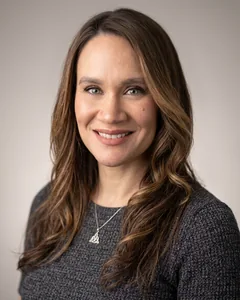
Jienne Torres, PMHNP-BC
Psychiatric Nurse Practitioner · Children 5+, adolescents and adults · English, Spanish

Maria Ramos, PMHNP-BC
Psychiatric Nurse Practitioner · Ages 12 and up
Signs of eating disorders
- Restricting food intake, skipping meals or rigid food rules
- Intense fear of gaining weight or distorted body image
- Eating large amounts in a short time with a sense of losing control
- Vomiting, laxative or diuretic use, or excessive exercise to compensate
- Eating in secret, hiding food or shame about eating
- Preoccupation with calories, weight and body shape
- Significant weight loss, weight fluctuations or weight gain
- Dizziness, fainting, feeling cold, hair loss or missed periods
How we diagnose it
Our evaluation includes a detailed history of eating, weight, exercise and compensatory behaviors, body image, and the course of symptoms over time, using screening tools such as the SCOFF questionnaire and the Eating Disorder Examination Questionnaire (EDE-Q). We assess medical stability: weight and vital signs including orthostatic blood pressure and heart rate, and labs including a metabolic panel (particularly potassium, phosphorus and magnesium), complete blood count, thyroid function and an EKG when purging, rapid weight loss or low heart rate are present. We screen for depression, anxiety, OCD, PTSD, ADHD, substance use and suicidality, which are present in the majority of cases. We determine the appropriate level of care: outpatient, intensive outpatient, partial hospitalization, residential or inpatient medical stabilization, and we refer when a higher level is needed.
Lifetime prevalence of eating disorders in US adults is about 0.6 percent for anorexia, 0.3 percent for bulimia and 2.8 percent for binge eating disorder, with binge eating disorder the most common.
Source: NIMH, National Comorbidity Survey Replication
Anorexia nervosa has one of the highest mortality rates of any psychiatric disorder, with a standardized mortality ratio of about 5.
Source: Arcelus et al., Archives of General Psychiatry, 2011 meta-analysis
Among adolescents, 2.7 percent have an eating disorder, and more than half of those with an eating disorder have at least one other psychiatric condition.
Source: NIMH
Family-based treatment leads to full remission in roughly 40 to 50 percent of adolescents with anorexia nervosa at the end of treatment, about twice the rate of individual therapy in trials.
Source: Lock et al., Archives of General Psychiatry, 2010
Treatment for eating disorders in Stuart
Medication management
Medication is an adjunct to therapy and nutritional rehabilitation, not a replacement, and its role differs by disorder. For bulimia nervosa, fluoxetine at 60 mg is FDA-approved and reduces binge and purge frequency; other SSRIs are also used. For binge eating disorder, lisdexamfetamine (Vyvanse) is FDA-approved for moderate to severe cases and reduces binge days; SSRIs and topiramate are alternatives. For anorexia nervosa, no medication reliably restores weight, and antidepressants work poorly in a starved brain; low-dose olanzapine has modest evidence for weight gain and obsessional thinking, and SSRIs are used once weight is restored to treat depression and anxiety and prevent relapse. For ARFID, treatment is behavioral, with medication for anxiety when it is a barrier. We avoid bupropion in patients who purge or restrict because of seizure risk, and we monitor electrolytes, heart rate and EKG as indicated.
Psychotherapy
Specialized psychotherapy is the core of eating disorder treatment. Enhanced cognitive behavioral therapy (CBT-E) is the leading treatment for bulimia, binge eating disorder and adult anorexia, addressing the over-evaluation of shape and weight, dietary rules, and the binge-purge cycle over 20 to 40 sessions. Family-based treatment (FBT, the Maudsley approach) is the first-line treatment for adolescents with anorexia and bulimia, empowering parents to restore nutrition at home. Dialectical behavior therapy helps when emotional dysregulation drives binge eating. We provide psychiatric care alongside these therapies, coordinate with your therapist and a registered dietitian experienced in eating disorders, and refer to specialized programs when outpatient care is not enough.
What to expect
The first visit is a 60-minute evaluation, in person or by video, with vital signs and labs arranged if needed. We discuss what level of care fits your medical and psychiatric situation honestly. If outpatient care is appropriate, you leave with a plan that includes psychiatric follow-up, therapy and dietitian referrals, medication if indicated, and a monitoring schedule. Follow-ups are every two to four weeks at first, with weight and vital signs checked in person when medically necessary. Telehealth is available across Florida and South Carolina for follow-up and for patients who are medically stable.
The complete guide, including causes, subtypes and research, is on our Eating Disorders: Anorexia, Bulimia, Binge Eating page.
Emergency and crisis resources near Stuart
In an emergency, call 911 or go to Cleveland Clinic Martin North Hospital Emergency Department (200 SE Hospital Ave, Stuart). The 988 Suicide and Crisis Lifeline is available by call or text 24 hours a day. Cleveland Clinic Martin South Hospital Emergency Department and 988 Suicide and Crisis Lifeline are also listed on the Stuart office page.
Frequently asked questions
Who provides eating disorders treatment at the Stuart office?
The Stuart team includes psychiatric nurse practitioners Jienne Torres and Maria Ramos and physician assistant Alacia Sims. Visits in Spanish are available with Jienne Torres. Every provider works under psychiatrist oversight and the same evaluation standard: about an hour for a first visit, validated screening scales, and a written plan.
Can I be seen by video instead of coming to Stuart?
Yes. Stedfast Psychiatry providers are licensed in Florida and offer video visits for evaluations and follow-ups. Some situations, including certain controlled-substance prescriptions and first visits for young children, require an in-person appointment at 729 SW Federal Hwy.
Does the Stuart office take my insurance?
We accept most major commercial plans and Medicare. Call (561) 257-3099 with your member ID and we will verify benefits before the visit. Self-pay new-patient evaluations are $185.
How soon can a new patient be seen in Stuart?
Most new patients are scheduled within one to two weeks. If you need to be seen sooner, ask about a video visit; those often open up within days. If you are in crisis, call or text 988 or go to the nearest emergency room rather than waiting.
Can I get Deep TMS or Spravato as a Stuart patient?
Yes. Stedfast Psychiatry is licensed for both. Your Stuart provider does the evaluation and the prior authorization; treatment sessions are scheduled at our Palm Beach Gardens TMS center and the Palm Beach Gardens Spravato rooms.
Can I have an eating disorder if I am not underweight?
Yes. Most people with eating disorders are at a normal or higher weight. Bulimia, binge eating disorder, and atypical anorexia (all the features of anorexia without a low weight, often after rapid loss from a higher starting point) can be medically dangerous at any size. Weight is one data point in the evaluation, not the diagnosis. If food and body image are controlling your life, that is enough reason to be evaluated.
What medications help with binge eating?
Lisdexamfetamine (Vyvanse) is FDA-approved for moderate to severe binge eating disorder in adults and reduces binge days substantially in trials. SSRIs reduce binge frequency and help the depression and anxiety that often accompany it. Topiramate is an alternative with evidence but more side effects. Medication works best alongside CBT-E, which addresses the restriction and emotional triggers that drive bingeing. We do not use medication as a weight-loss tool.
Nearby Stedfast offices
If you are in crisis, call or text 988 or go to the nearest emergency room. Educational content; individual results vary. Reviewed by Dr. David Husted, board-certified psychiatrist.