Adjustment disorder is distress or impairment in response to a specific life stressor that begins within three months of the event and exceeds the expected reaction. It is treated primarily with brief psychotherapy focused on coping and problem-solving, with short-term medication for sleep or anxiety when needed. Most people recover within six months once the stressor resolves or they adapt. Stedfast Psychiatry treats adjustment disorder and life stress at 2950 Halcyon Lane in Jacksonville and by video across Florida; new patients call (561) 330-5289.
Adjustment Disorder and Life Stress at our Jacksonville office
Patients come to the Jacksonville office for adjustment disorder and life stress treatment from Mandarin, Loretto, Beauclerc, Sunbeam and Julington Creek, and from nearby Orange Park, Fleming Island, St. Johns and Fruit Cove. The office is at 2950 Halcyon Lane, Suite 605, close to Buckman Bridge.
Free surface parking is available at the office park, with accessible spaces near the building entrance. Suite 605 is on an upper floor with elevator access. Hours are Monday to Friday, 8:00 AM to 5:00 PM, with weekend appointments by arrangement. New patients call (561) 330-5289; existing patients use (904) 302-7037.
The Jacksonville office is an entry point to Stedfast Psychiatry's Deep TMS and Spravato programs. Treatment sessions run at our Palm Beach Gardens TMS center and the Palm Beach Gardens Spravato rooms, roughly 270 and 270 minutes away; the evaluation, the screening scales and the prior authorization all happen here.

Who you will see in Jacksonville
The Jacksonville team includes psychiatrists Dr. Sandy Kaufman and Dr. Aileen Lorenzo, psychiatric nurse practitioner Natalie Black and physician assistant Carl Brescia. Visits in Spanish are available with Aileen Lorenzo. Children and teens are seen by Aileen Lorenzo.
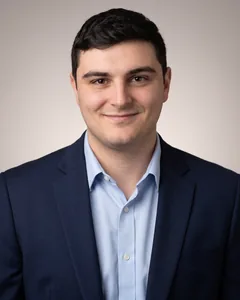
Carl Brescia, PA-C
Physician Assistant · Adults 18+
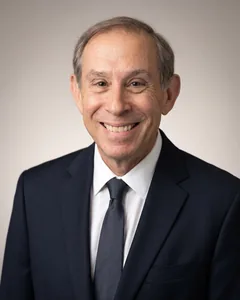
Dr. Sandy Kaufman, MD
Psychiatrist · Adults

Natalie Black, PMHNP-BC
Psychiatric Nurse Practitioner · Adults 18+
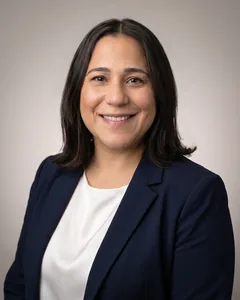
Dr. Aileen Lorenzo, MD
Psychiatrist · Ages 4 into young adulthood · English, Spanish
Signs of adjustment disorder and life stress
- Sadness, tearfulness or hopelessness tied to a specific event
- Worry, nervousness or feeling overwhelmed since the stressor
- Trouble sleeping or concentrating
- Withdrawing from friends, family or activities
- Irritability, anger or conflict at home or work
- Difficulty performing at work or school since the event
- Physical complaints such as headaches, stomach upset or fatigue
- Increased drinking or other risky behavior to cope
How we diagnose it
We diagnose adjustment disorder through a clinical interview that identifies the stressor, the timing and nature of your symptoms, how they are affecting your functioning, and your prior history. We specify the subtype (with depressed mood, with anxiety, with mixed anxiety and depressed mood, with disturbance of conduct, or mixed), which guides treatment. We use the PHQ-9 and GAD-7 to measure severity, and we carefully assess whether the symptoms meet criteria for major depression, generalized anxiety disorder, PTSD or a substance use disorder, since adjustment disorder is diagnosed only when they do not. We ask about alcohol and substance use, sleep, physical symptoms, and suicidal thoughts, which occur in adjustment disorder more often than people assume. Labs are ordered when fatigue or physical symptoms suggest a medical contributor.
Adjustment disorder is diagnosed in roughly 5 to 20 percent of outpatient mental health patients and up to 50 percent of patients seen in hospital psychiatric consultation.
Source: American Psychiatric Association, DSM-5-TR
Among people with cancer, adjustment disorder affects an estimated 15 to 20 percent, making it more common than major depression in that population.
Source: Mitchell et al., Lancet Oncology, 2011 meta-analysis
By definition, adjustment disorder symptoms resolve within six months of the stressor or its consequences ending; symptoms that persist beyond that suggest a different diagnosis.
Source: American Psychiatric Association, DSM-5-TR
Suicidal behavior occurs in adjustment disorder, and in one large study adjustment disorder accounted for a substantial share of psychiatric diagnoses among people presenting after a suicide attempt.
Source: Casey et al., Journal of Affective Disorders, 2015
Treatment for adjustment disorder and life stress in Jacksonville
Medication management
Psychotherapy is the primary treatment and many patients need no medication. When symptoms are impairing, short-term medication helps: hydroxyzine or, briefly, a low-dose benzodiazepine for acute anxiety; low-dose trazodone or doxepin for insomnia, which, if left untreated, prolongs recovery. If depressive or anxiety symptoms are moderate to severe, persist beyond a few weeks, or are moving toward major depression, an SSRI such as sertraline or escitalopram is reasonable, usually for six to twelve months. We review the need for medication at each visit with the goal of stopping once you have adapted, and we avoid long-term benzodiazepines.
Psychotherapy
Brief therapy is the core treatment. Problem-solving therapy helps you break an overwhelming situation into manageable parts and act on what can be changed. Cognitive behavioral therapy addresses the thoughts that keep stress amplified (catastrophizing, self-blame, all-or-nothing thinking) and rebuilds routines and activity. Supportive and interpersonal approaches help with role transitions and relationship changes. Mindfulness and stress-management training build tolerance for what cannot be changed. Typical treatment is four to twelve sessions. For medical diagnoses, therapy integrates with your medical care; for workplace stress, we can provide documentation for leave or accommodations.
What to expect
Your first visit is a 45 to 60 minute evaluation, in person or by video, focused on what happened, how you are coping, and what is not working. You leave with a plan: usually brief therapy, sometimes with short-term medication for sleep or anxiety, and a check for depression or other conditions. Follow-ups are every two to four weeks while symptoms are active. Most patients complete treatment in two to four months. Telehealth is available across Florida and South Carolina and fits well with the practical, time-limited nature of this treatment.
The complete guide, including causes, subtypes and research, is on our Adjustment Disorder and Life Stress page.
Emergency and crisis resources near Jacksonville
In an emergency, call 911 or go to Baptist Medical Center South Emergency Room (14550 Old St Augustine Rd, Jacksonville). The 988 Suicide and Crisis Lifeline is available by call or text 24 hours a day. HCA Florida Memorial Hospital Emergency Room and 988 Suicide and Crisis Lifeline are also listed on the Jacksonville office page.
Frequently asked questions
Who provides adjustment disorder and life stress treatment at the Jacksonville office?
The Jacksonville team includes psychiatrists Dr. Sandy Kaufman and Dr. Aileen Lorenzo, psychiatric nurse practitioner Natalie Black and physician assistant Carl Brescia. Visits in Spanish are available with Aileen Lorenzo. Every provider works under psychiatrist oversight and the same evaluation standard: about an hour for a first visit, validated screening scales, and a written plan.
Can I be seen by video instead of coming to Jacksonville?
Yes. Stedfast Psychiatry providers are licensed in Florida and offer video visits for evaluations and follow-ups. Some situations, including certain controlled-substance prescriptions and first visits for young children, require an in-person appointment at 2950 Halcyon Lane.
Does the Jacksonville office take my insurance?
We accept most major commercial plans and Medicare. Call (561) 330-5289 with your member ID and we will verify benefits before the visit. Self-pay new-patient evaluations are $185.
How soon can a new patient be seen in Jacksonville?
Most new patients are scheduled within one to two weeks. If you need to be seen sooner, ask about a video visit; those often open up within days. If you are in crisis, call or text 988 or go to the nearest emergency room rather than waiting.
Can I get Deep TMS or Spravato as a Jacksonville patient?
Yes. Stedfast Psychiatry is licensed for both. Your Jacksonville provider does the evaluation and the prior authorization; treatment sessions are scheduled at our Palm Beach Gardens TMS center and the Palm Beach Gardens Spravato rooms.
What is the difference between adjustment disorder and depression?
Adjustment disorder is a reaction to a specific stressor that does not meet the full criteria for major depression: the symptoms are tied to the event, usually less pervasive, and expected to resolve within six months of the stressor ending. Major depression involves at least two weeks of pervasive low mood or loss of interest with several other symptoms, and it can continue regardless of circumstances. Adjustment disorder can progress to major depression, which is why we reassess at every visit.
Do I need medication for adjustment disorder?
Often not. Brief therapy is the primary treatment and resolves most cases. Short-term medication for sleep or acute anxiety can help you function while you work through the situation, and an SSRI is reasonable if symptoms are moderate to severe or persist. Any medication is reviewed regularly with the goal of stopping once you have adapted. We will give you a clear recommendation rather than a prescription by default.
Nearby Stedfast offices
If you are in crisis, call or text 988 or go to the nearest emergency room. Educational content; individual results vary. Reviewed by Dr. David Husted, board-certified psychiatrist.